Skip to content

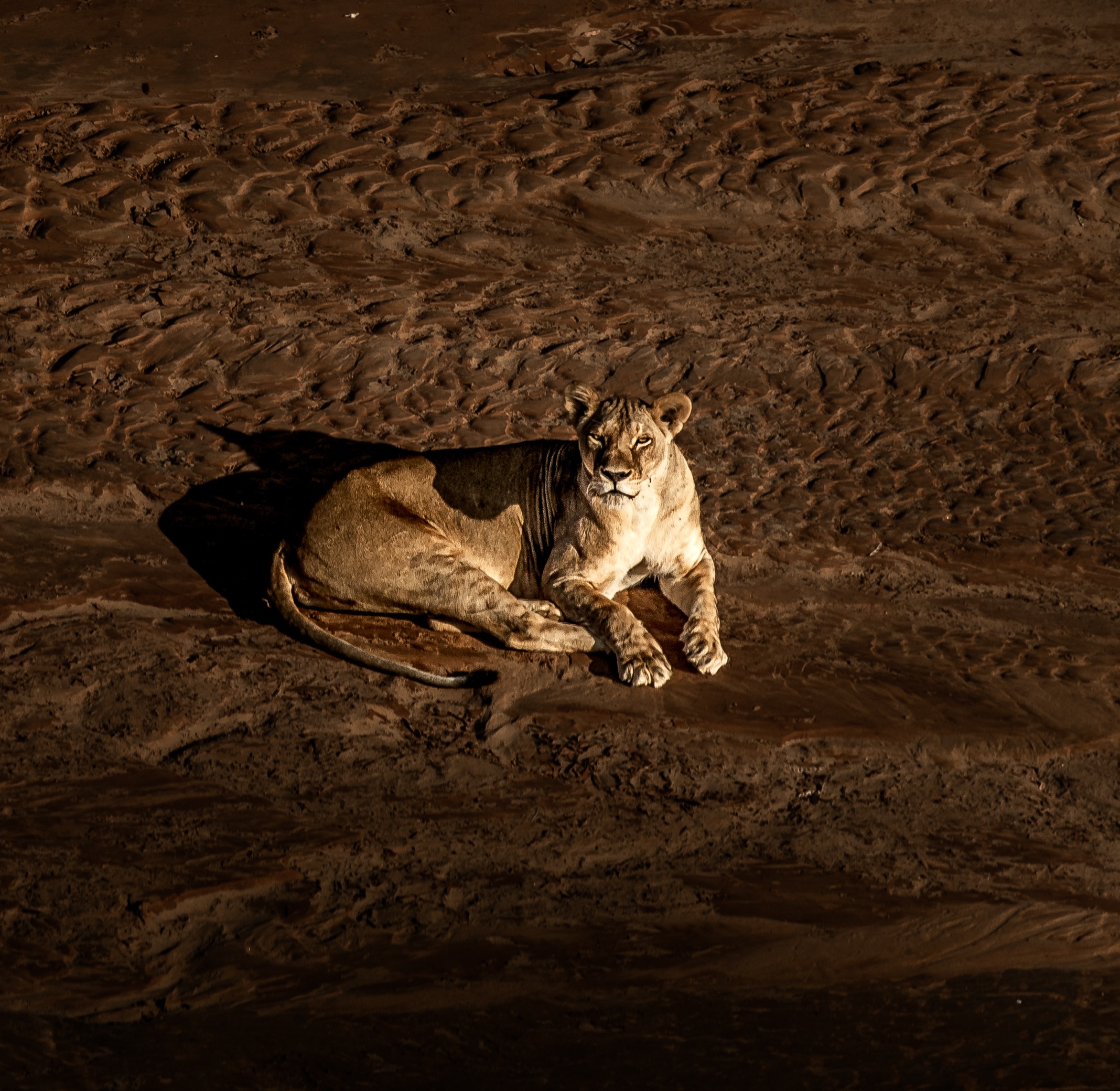
How predators choose their prey in African savannas

In Africa’s savannas, predators do not hunt at random. Every hunt is shaped by a balance of energy, risk, competition, and opportunity. From the smallest insect-hunting carnivores to the largest apex predators, each species occupies a specific niche that determines…
Read more

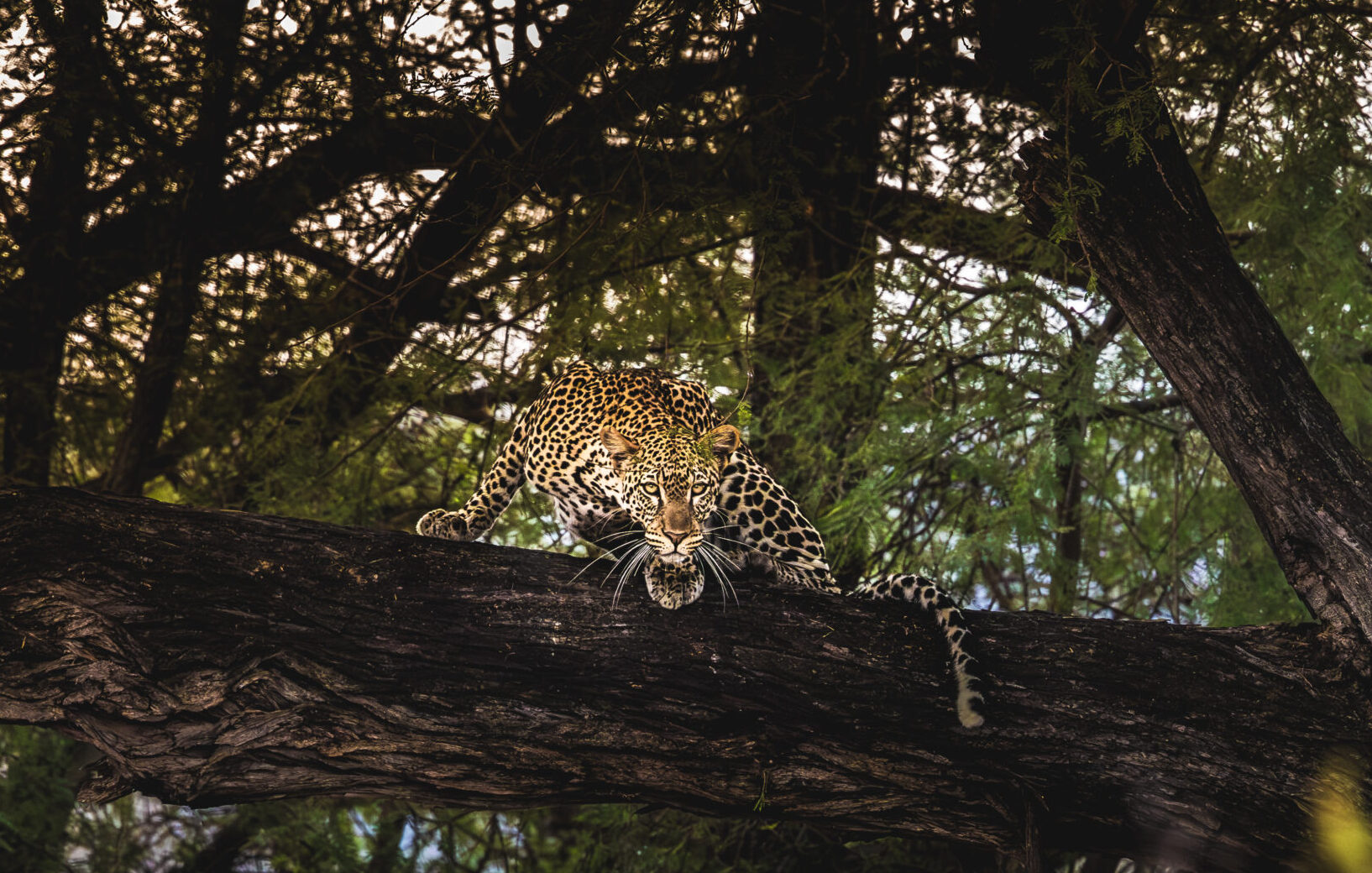
Why do cheetah have spots?

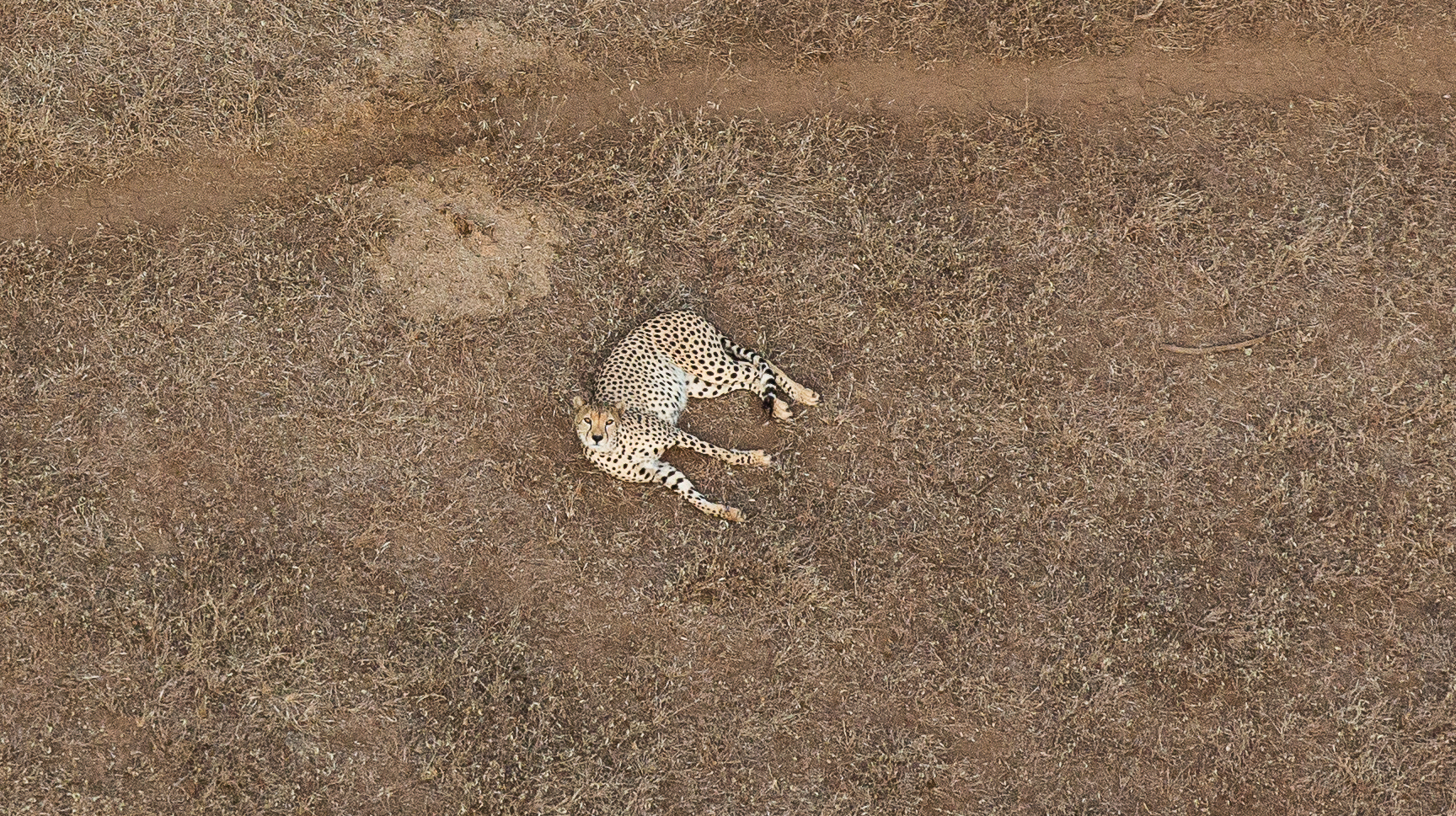
Across Africa’s savannas, some of the continent’s most iconic predators share a striking feature: spots. From cheetahs to leopards and servals, these patterns are not decorative. They are the result of millions of years of evolution, shaped by habitat, hunting…

Read more

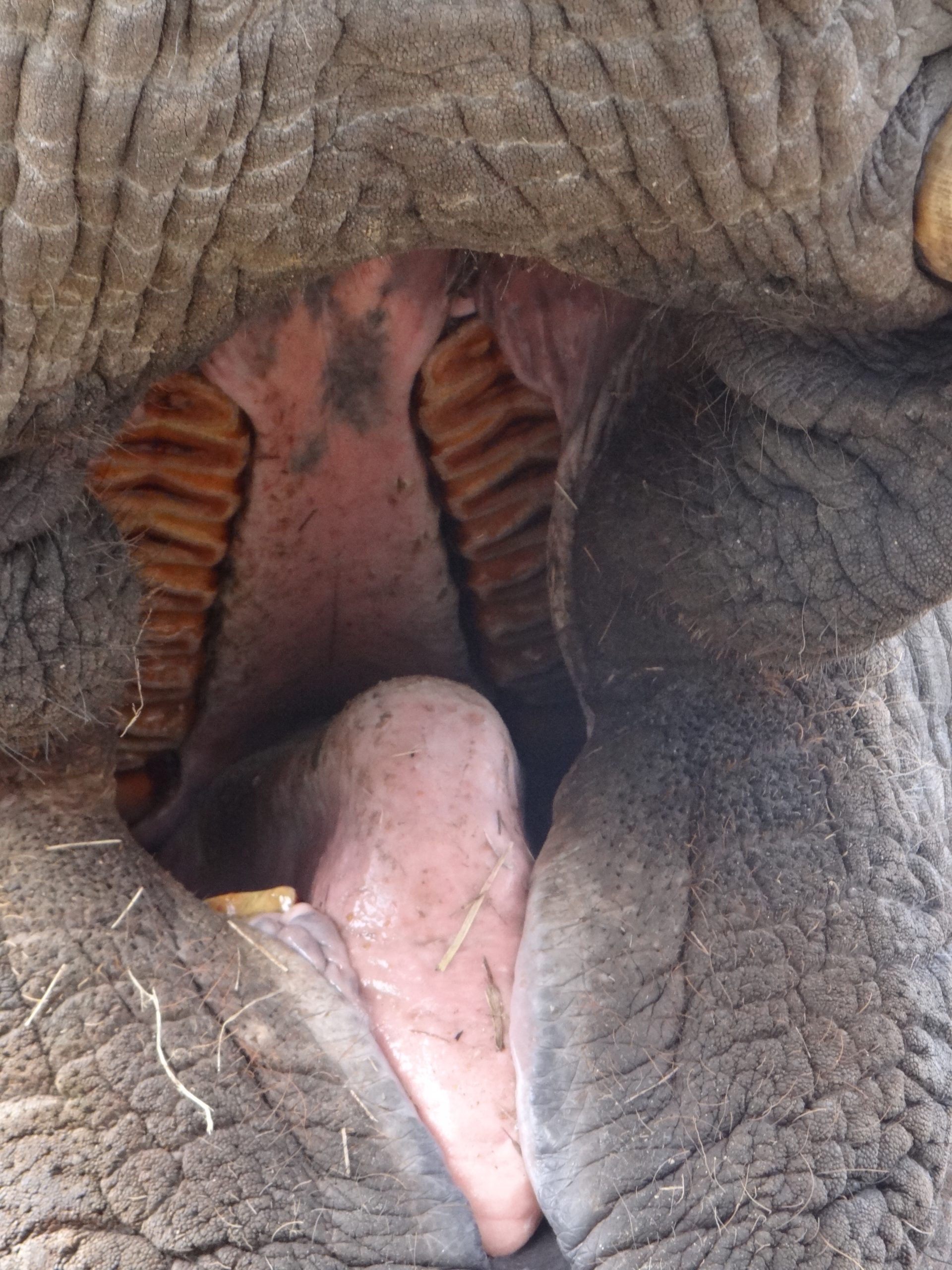
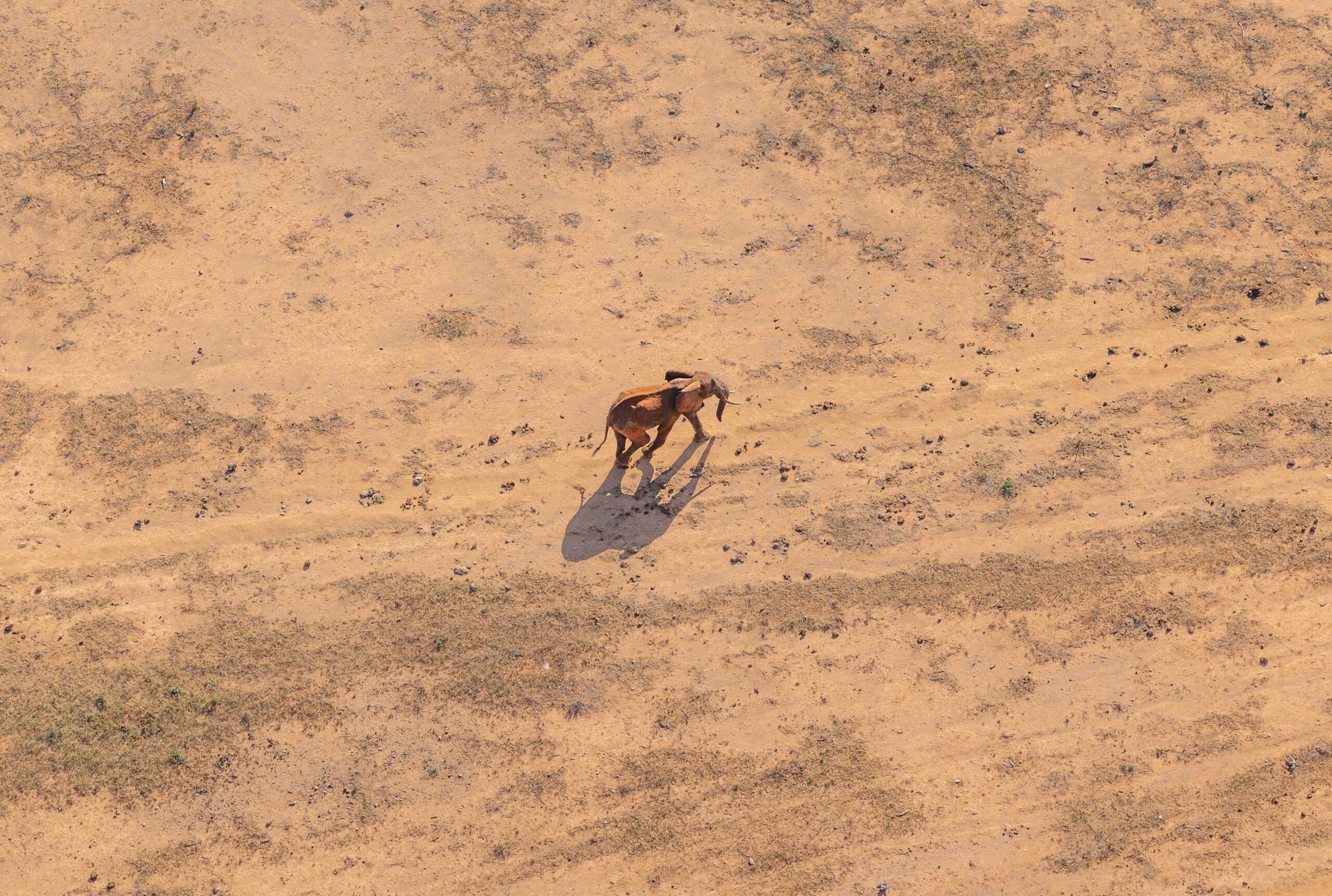
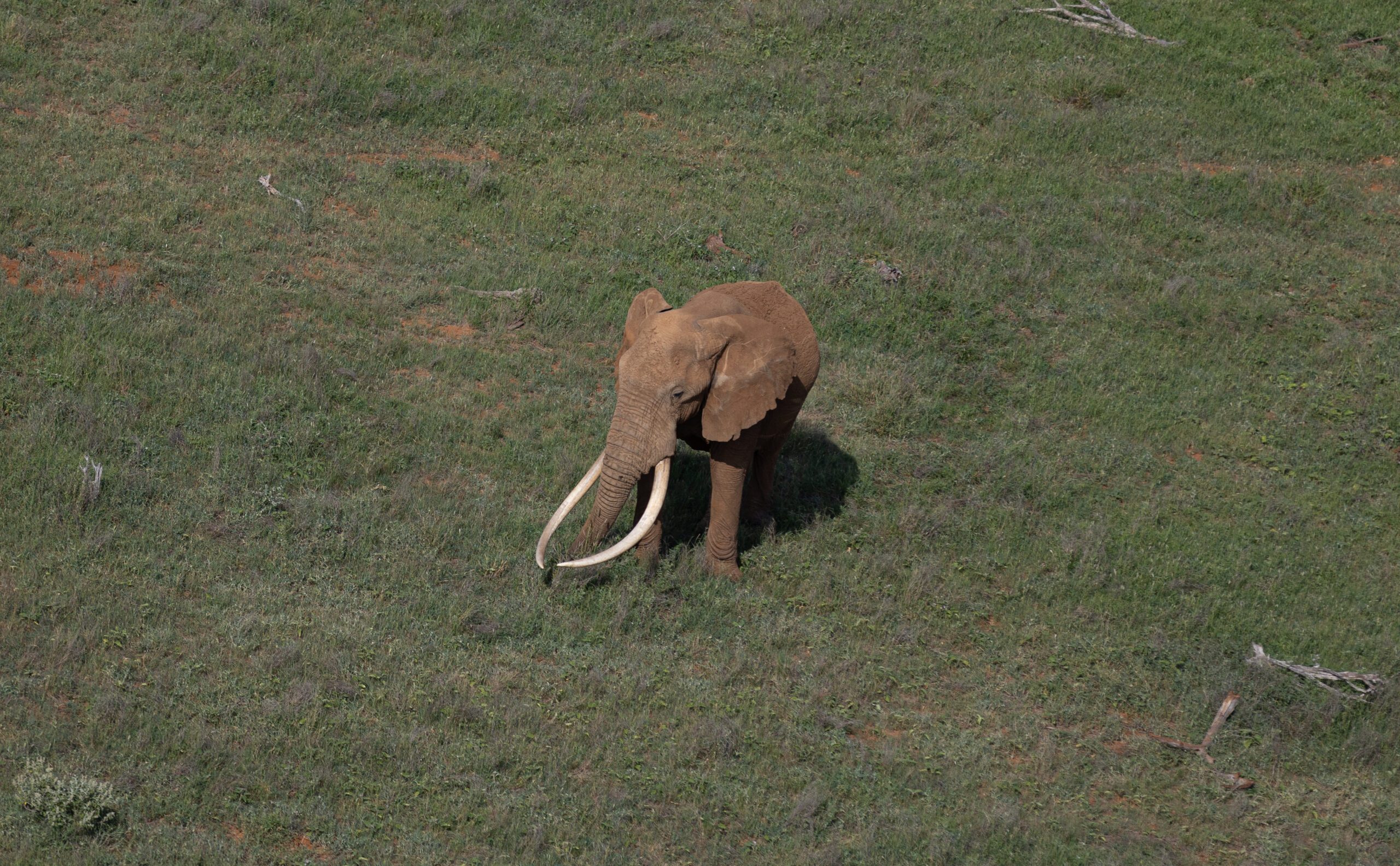
How do African elephant teeth work?

African elephants have one of the most specialised dental systems of any land mammal. Unlike most species, they do not rely on a fixed set of permanent teeth. Instead, their teeth are replaced through a horizontal “conveyor belt” system that…

Read more

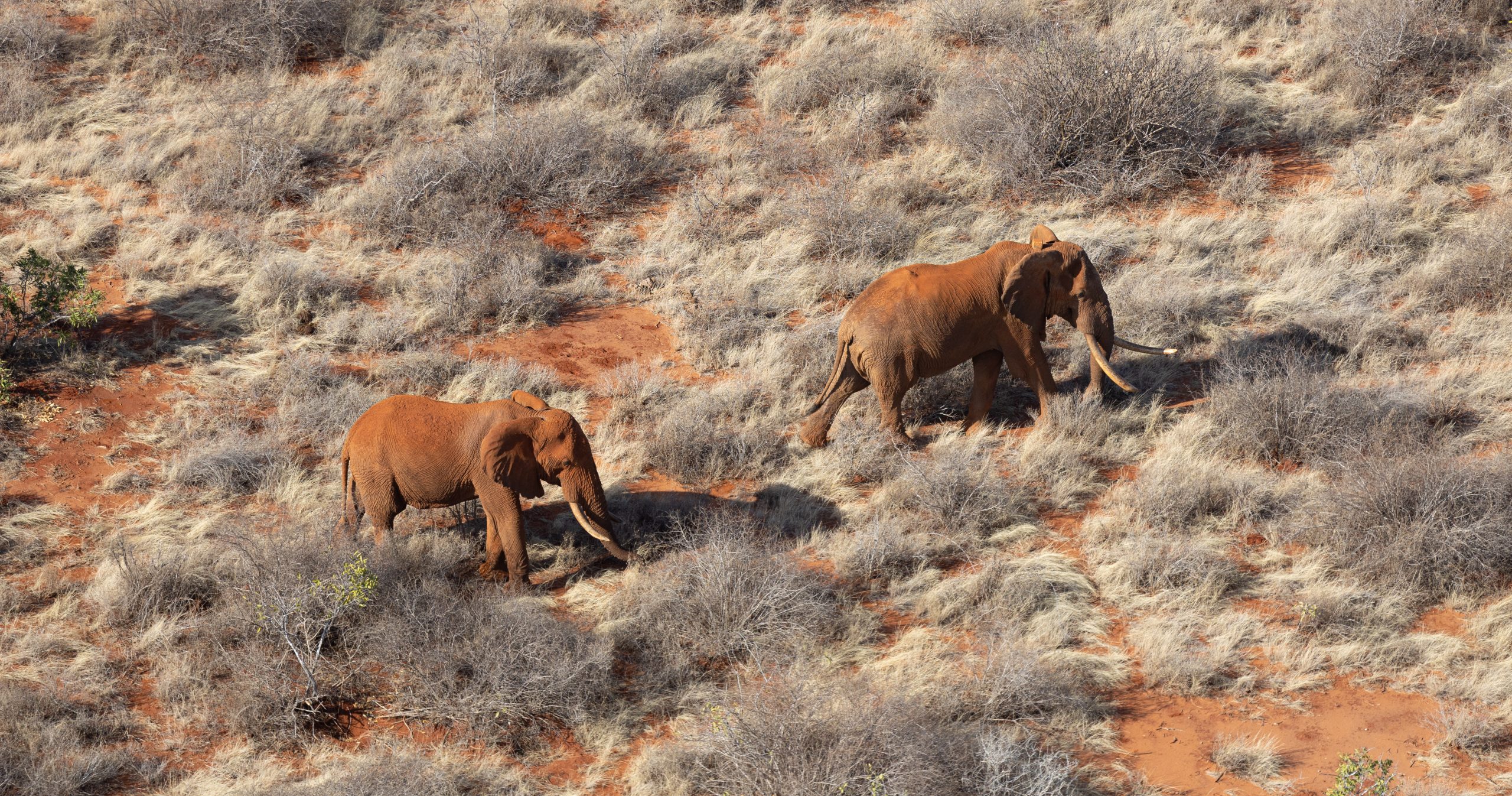
Why do male elephants form bachelor groups?

African elephants are often associated with tightly bonded family groups led by experienced matriarchs. These female-led herds form the core of elephant society, with mothers, daughters, sisters, and calves remaining together for life. Male elephants follow a very different social…

Read more

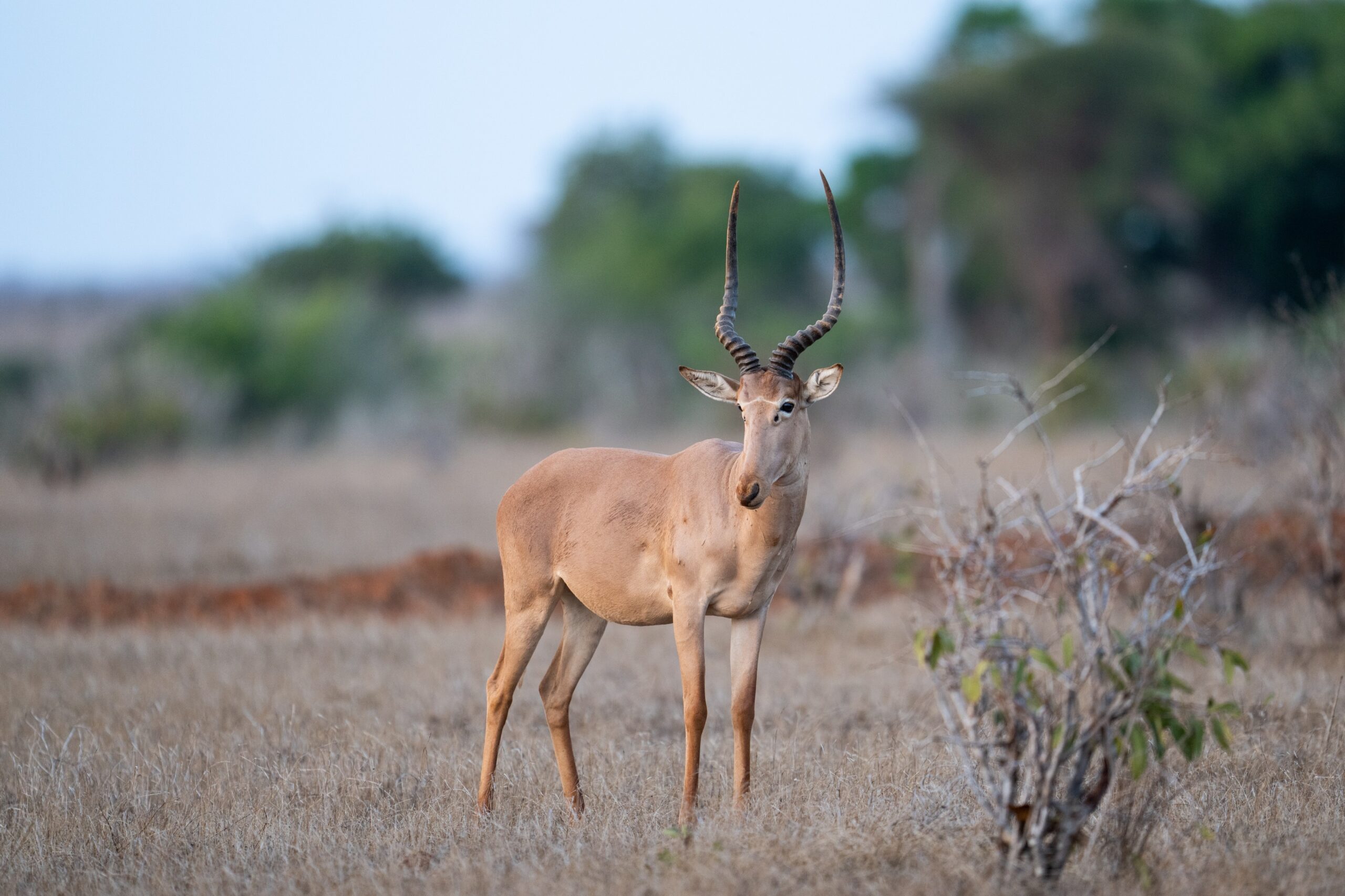
What type of antelope are found in Tsavo?

The Tsavo Conservation Area is one of the largest protected ecosystems in Africa, consisting of open savanna, thorn bush, riverine forest, and semi-arid scrub. These varied habitats support a wide range of herbivores, including a diverse group of antelope species…

Read more

Predator hierarchy in Africa: Who steals the kill?

In Africa’s savannas, making a kill does not guarantee a meal. For predators, the hunt is often only half the contest. What follows can be a tense standoff, a rapid feeding frenzy, or a violent confrontation. This behaviour, known as…

Read more

How do animals survive drought?

Drought is not unusual in African savannas. Seasonal dry periods shape vegetation, wildlife movement, and predator–prey dynamics. What challenges ecosystems most are prolonged, multi-year droughts, when rainfall fails across consecutive seasons and water sources contract dramatically. In the Tsavo Conservation…

Read more

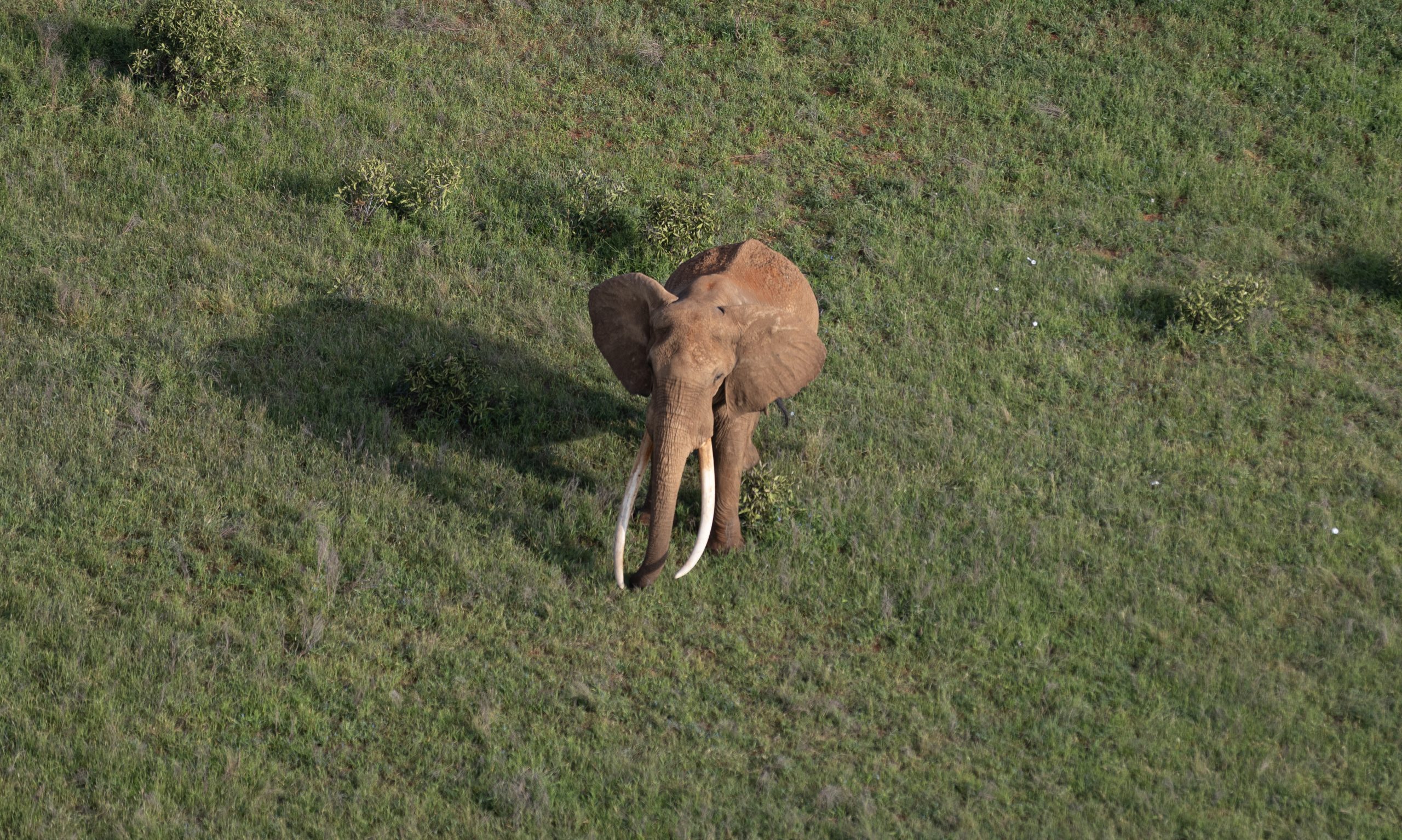
What is ivory?

Ivory is a hard, white material derived primarily from the teeth and tusks of certain mammals. It has been valued for centuries because it is dense, smooth, carvable, and durable. Chemically, ivory is composed mainly of dentine, the same material…

Read more
Back To Top