Skip to content

Understanding sexual dimorphism in Africa’s wildlife

Sexual dimorphism refers to consistent physical or behavioural differences between males and females of the same species beyond the reproductive organs. These differences can include body size, weaponry, ornamentation, colouration, or behaviour. Across African wildlife, sexual dimorphism provides clear insight…
Read more

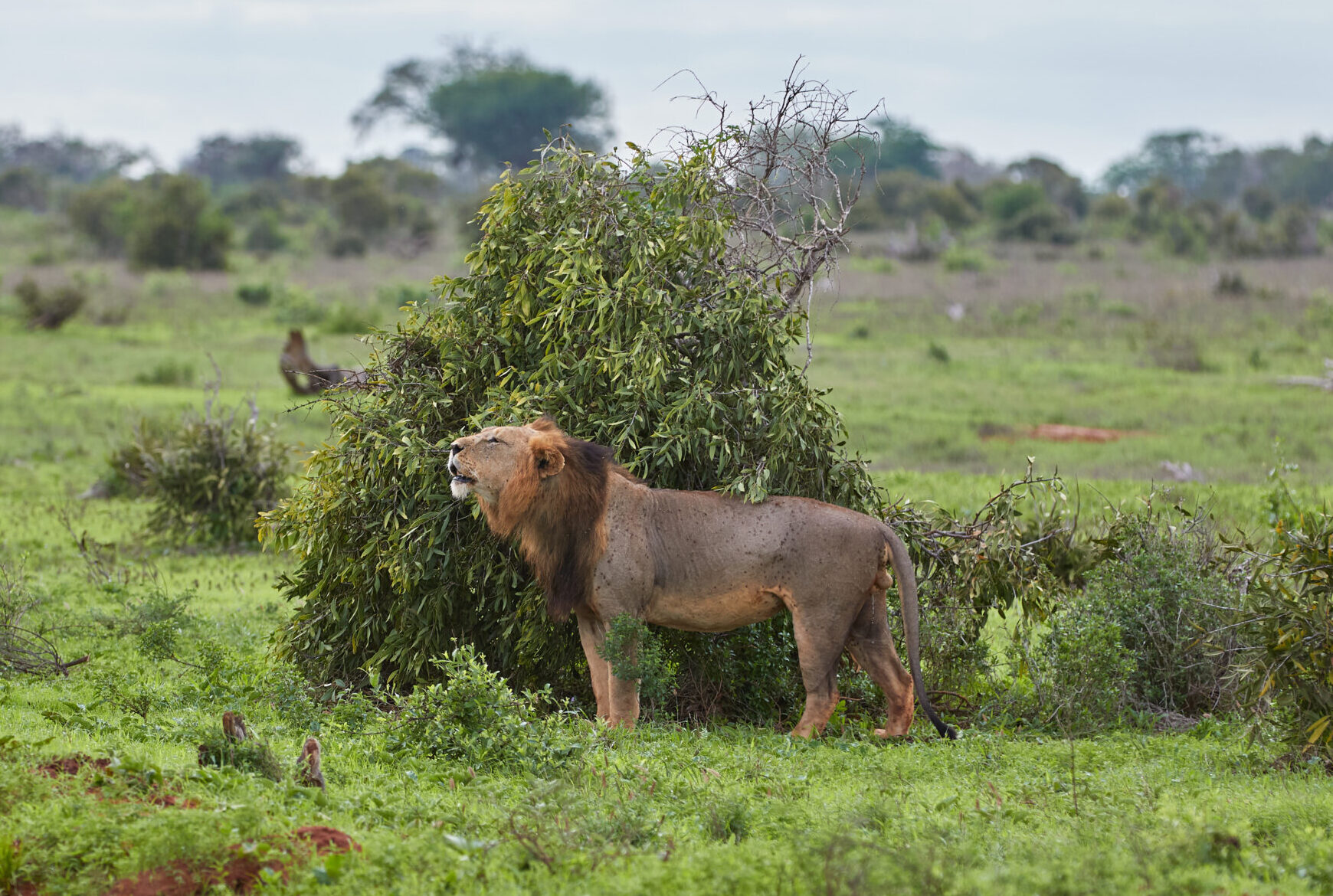
How far can a lion’s roar be heard?

In open savanna ecosystems, sound is one of the most effective ways animals communicate over distance. For lions, vocal communication is central to maintaining social structure, defending territory, and coordinating movement across large landscapes. The lion’s roar is among the…

Read more

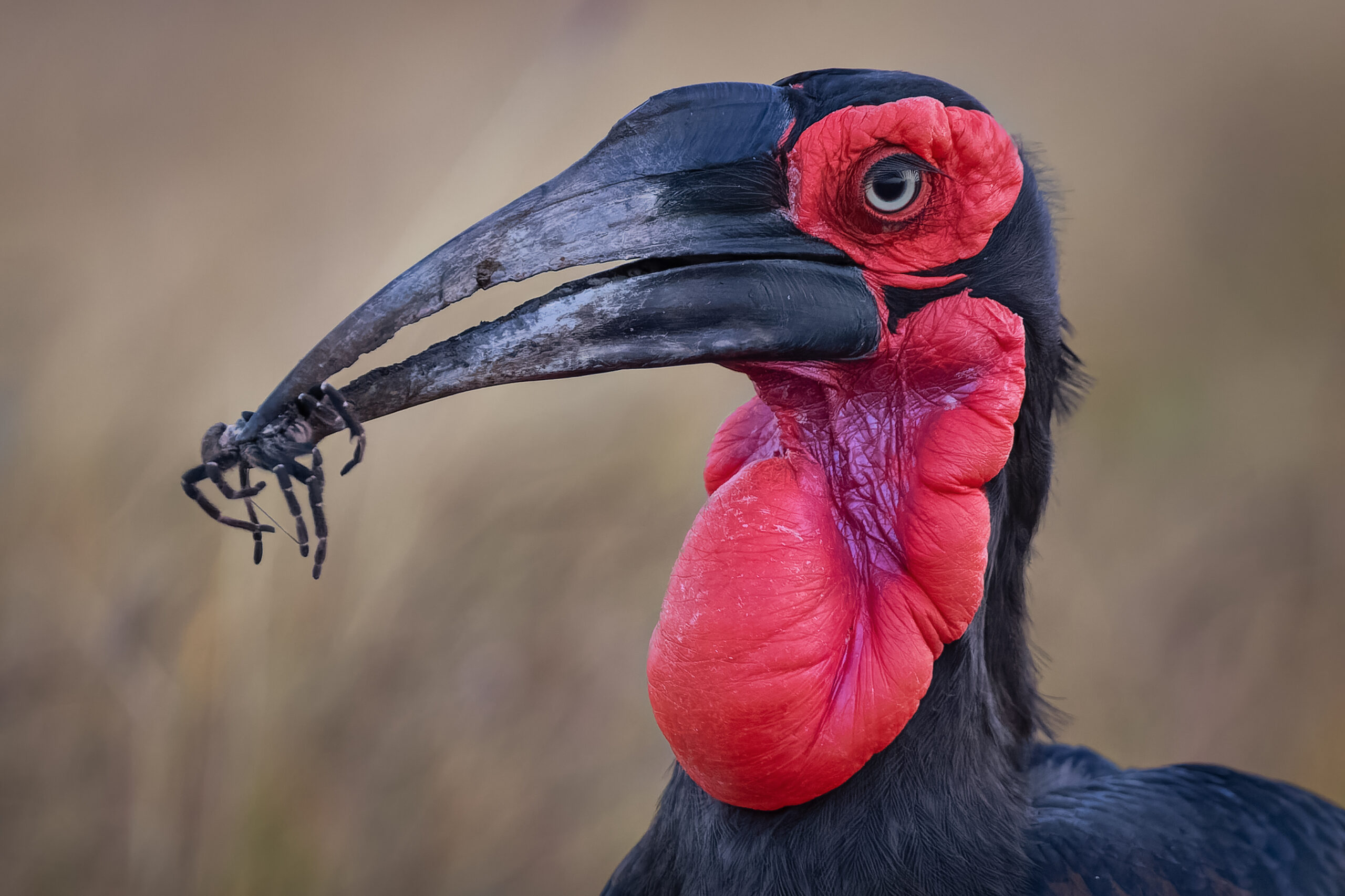
The interesting lifecycle of the Southern Ground Hornbill

The Southern ground hornbill is one of Africa’s most distinctive birds. Large, terrestrial, and long-lived, it occupies open savanna ecosystems where it plays an important ecological role as both predator and ecosystem indicator. Unlike most birds, its population dynamics are…

Read more

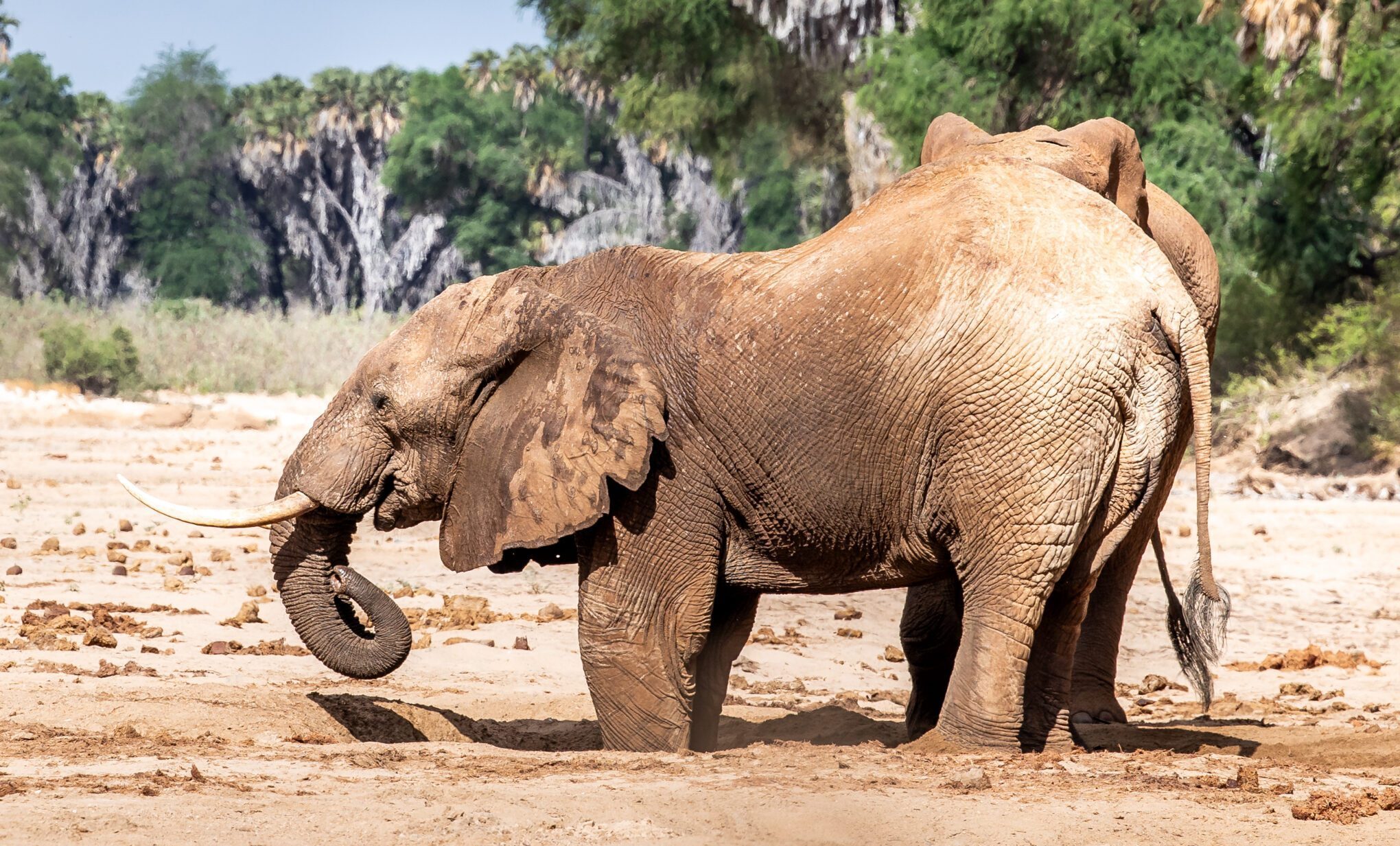
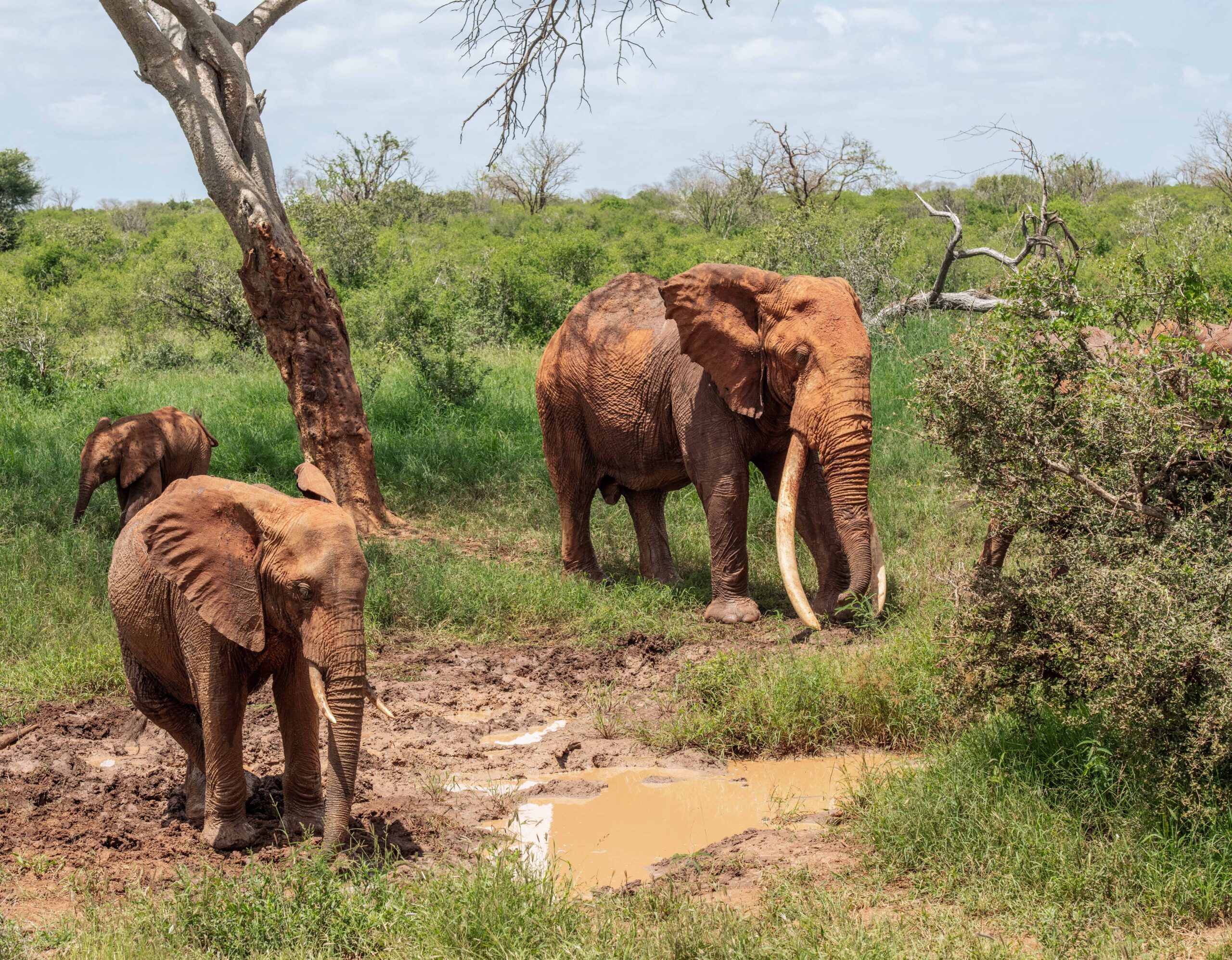
Why do elephants dig for water?

Water is a defining factor in elephant ecology. In semi-arid landscapes such as the Tsavo Conservation Area, access to reliable and safe water influences elephant movement, behaviour, and long-term survival. One of the most striking and well-documented behaviours associated with…

Read more

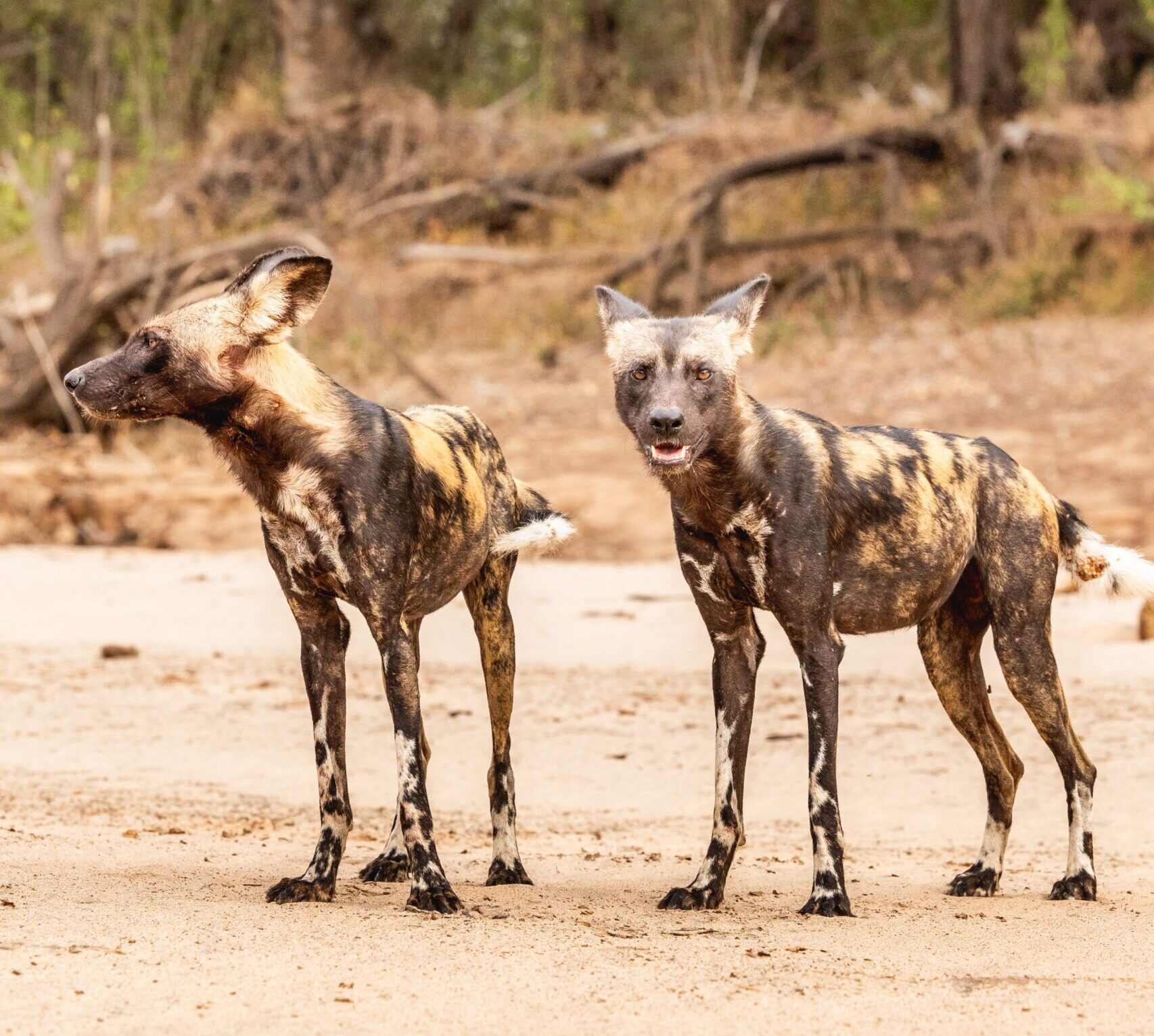
African wild dogs: Frequently Asked Questions

African wild dogs are among Africa’s most endangered and least understood carnivores. Highly social, exceptionally efficient hunters, and dependent on vast, connected landscapes, they face unique challenges across the continent. In the greater Tsavo Conservation Area, wild dogs remain present…

Read more

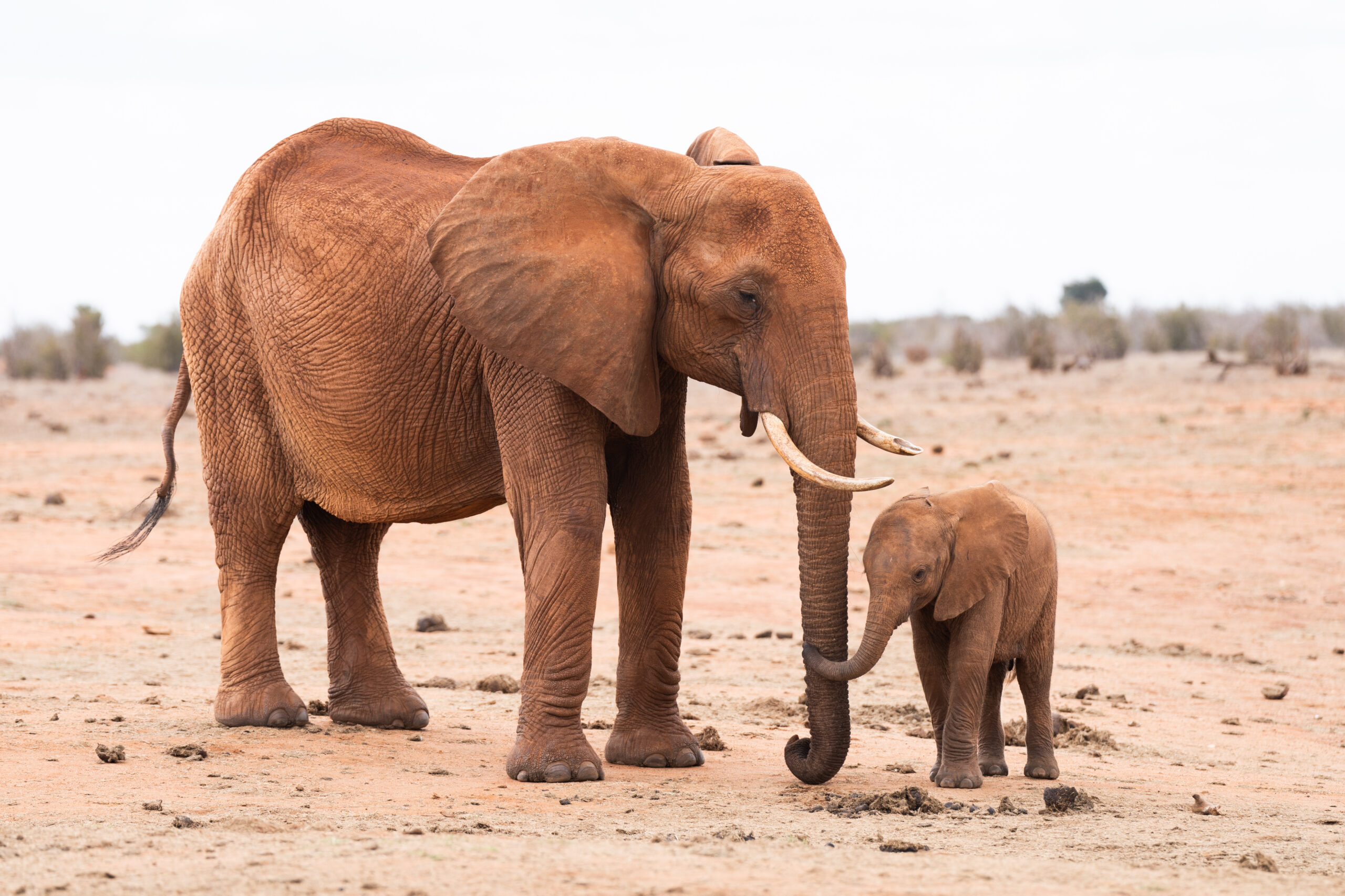
What the death of a matriarch reveals about elephant society

Elephant societies are structured around stable family units led by matriarchs, the oldest and most experienced females. These individuals play a central role in guiding group movements, maintaining cohesion, and transferring ecological knowledge across generations. Understanding the consequences of matriarch…

Read more

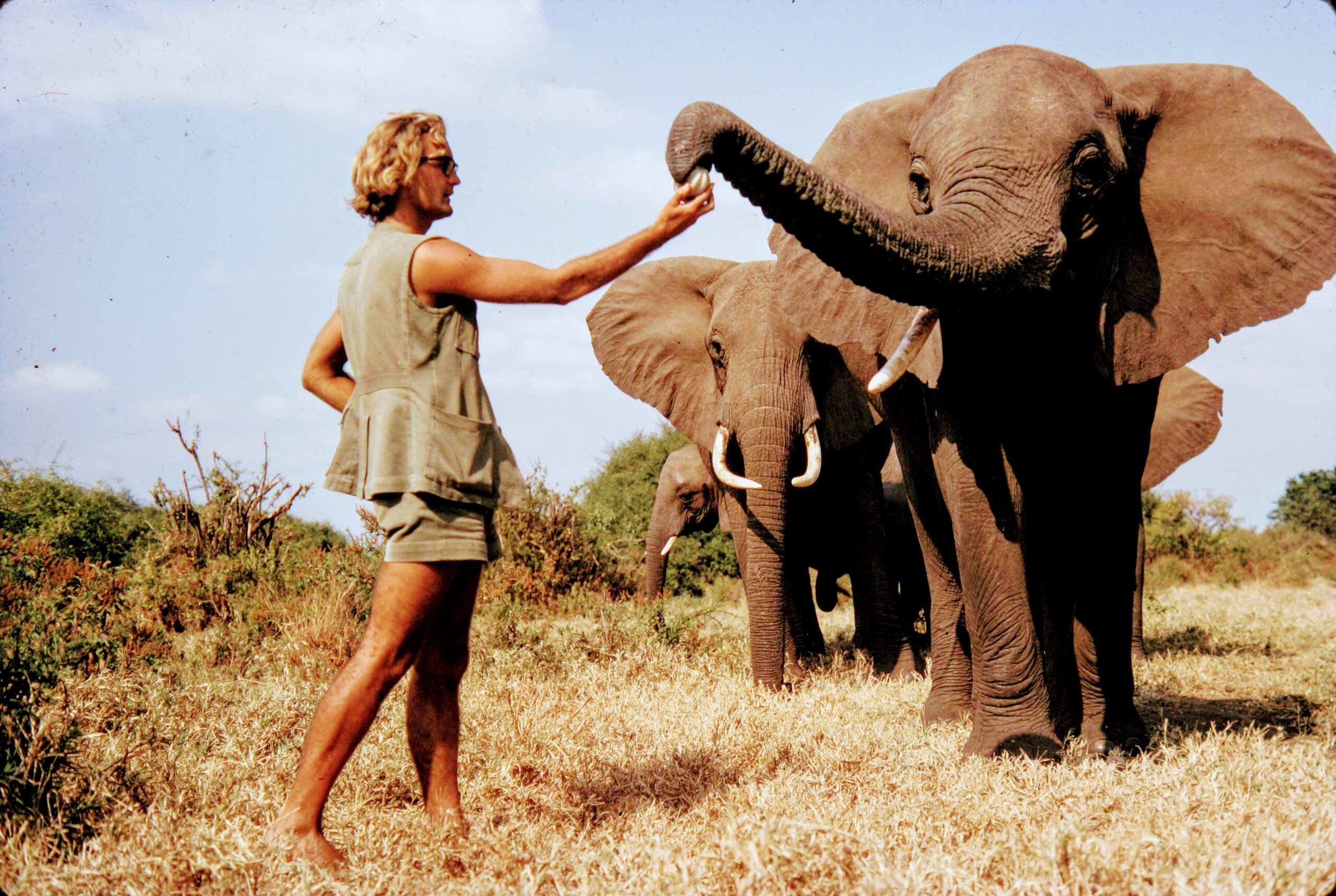
Iain Douglas-Hamilton: A life devoted to elephants

On 8 December 2025, the conservation world lost one of its greatest champions. Dr. Iain Douglas-Hamilton, who passed away in Nairobi at the age of 83, was not only one of the most influential elephant scientists of the last century—he…

Read more

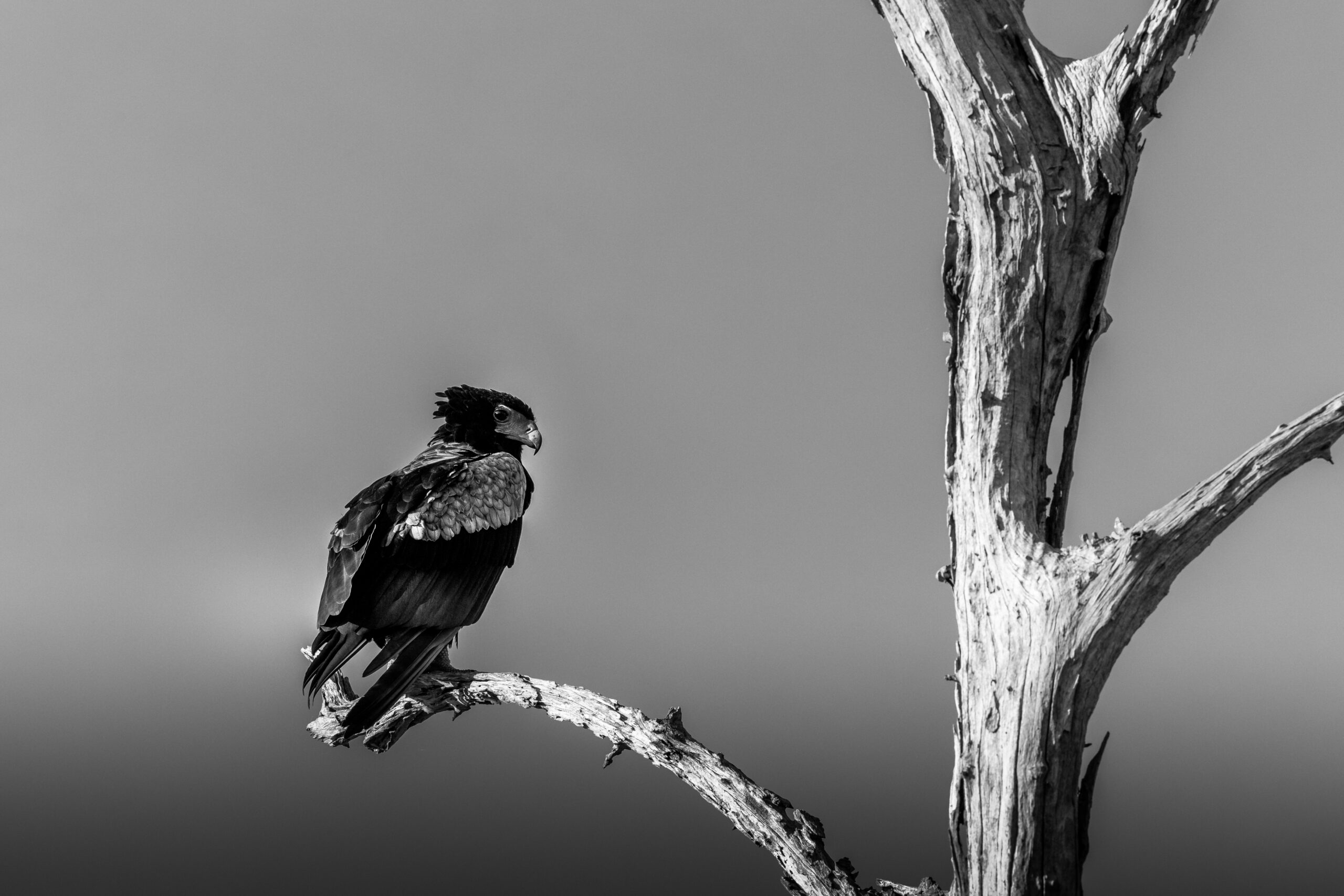
The scavenger birds of Tsavo

Across Africa’s savannas, scavenger birds play a vital role in maintaining healthy ecosystems. By consuming carcasses and organic waste, they help prevent the spread of disease, recycle nutrients, and support the functioning of predator–prey systems. Tsavo, with its vast and…

Read more

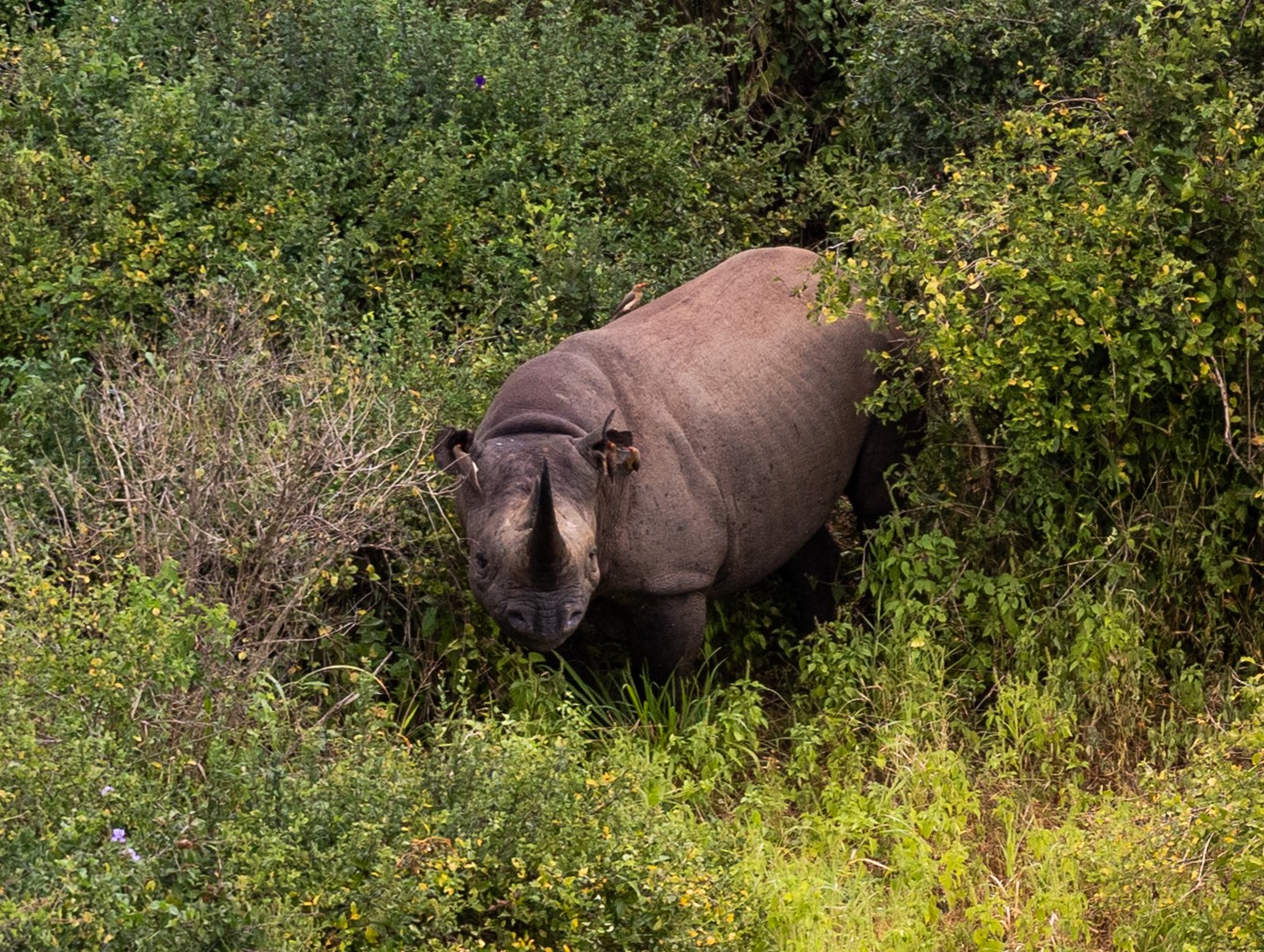
Oxpeckers: Rhino’s guards or hidden parasites?

Across the savannas of Africa, oxpeckers can often be seen perched atop rhinos, buffalo, and giraffes, alert, busy, and seemingly helpful. In Swahili, they are known as Asikari wa kifaru, “the rhino’s guard,” a name reflecting a long-held belief in…

Read more

What is that fluid coming from an elephant’s temple?

Visitors to Tsavo often notice elephants with dark streaks running down from between the eye and the ear. This fluid comes from a specialised gland known as the temporal gland, unique to elephants. These secretions, known as Temporal Gland Secretion…

Read more
Back To Top