Skip to content

Are global conservation promises actually being delivered?

In December 2022, governments from around the world adopted one of the most ambitious international agreements ever developed for the protection of nature. The Kunming-Montreal Global Biodiversity Framework established 23 targets to be achieved by 2030, addressing everything from habitat…
Read more

What really makes people stop poaching?

When illegal hunting declines, what has actually caused people to change their behaviour? Is it the presence of wildlife rangers, the risk of arrest and the possibility of punishment? Or does conservation become more effective when local communities see tangible…

Read more

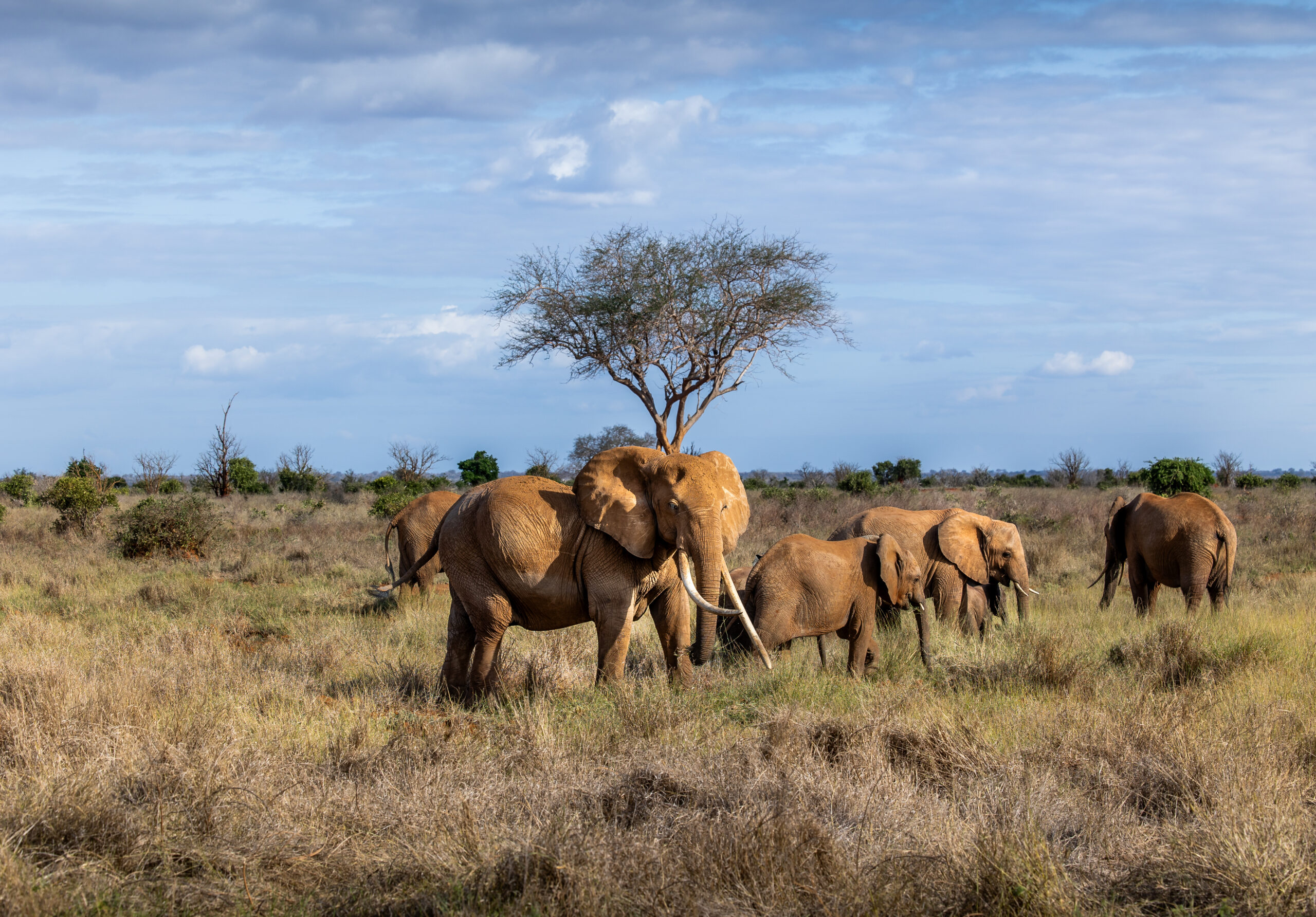
Do elephants know how to medicate themselves?

Elephants spend much of their lives feeding, encountering thousands of different plants across decades of movement through their environment. They learn where food and water can be found, how those resources change with the seasons, and which parts of different…

Read more

How AI is changing conservation

Conservation has always depended on information. Where are animals moving? How many remain? Where is poaching occurring? Which habitats are being lost? Are populations recovering or declining? Answering these questions allows conservationists to decide where limited resources can have the…

Read more

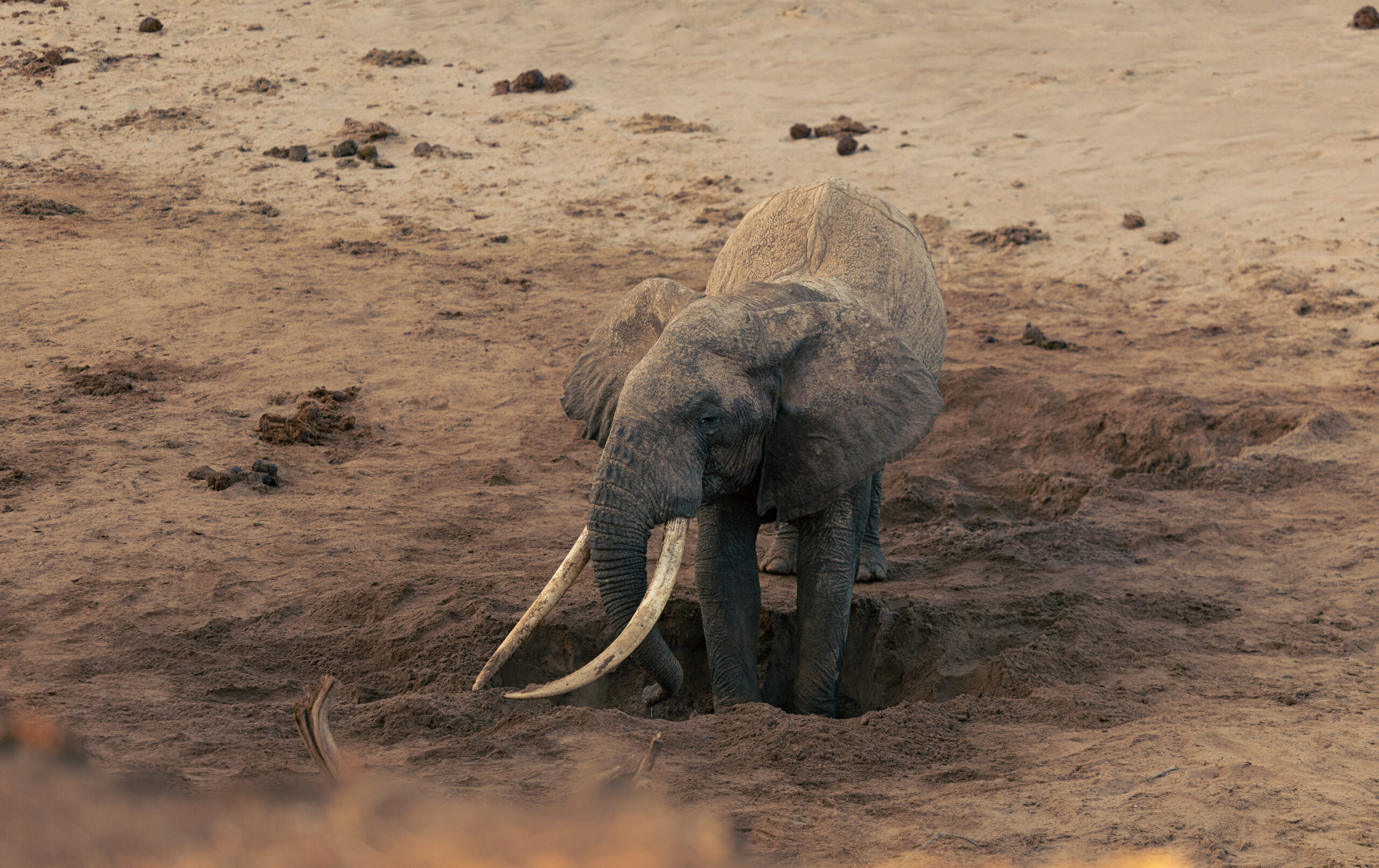
When we give wildlife water, what else do we change?

In dry African ecosystems, access to water can determine where animals move, feed and survive. During severe droughts, when seasonal rivers and pans disappear, permanent water sources can become particularly important for wildlife. Providing additional water can therefore appear to…

Read more

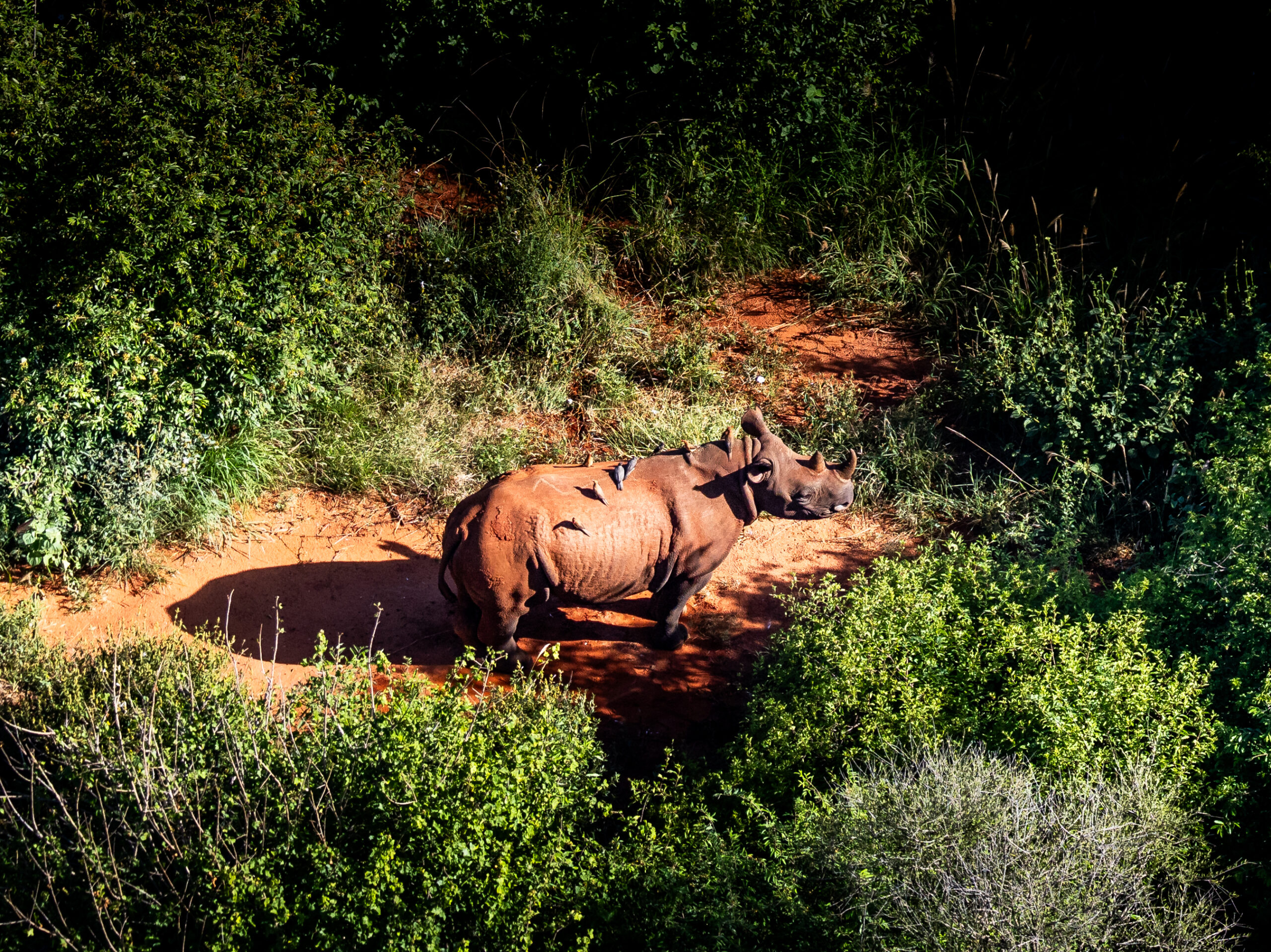
Should we move rhinos, or let rhinos move themselves?

Translocation has become one of the most important tools in black rhino conservation. Moving individual rhinos between protected areas can establish new populations, relieve pressure on crowded reserves and introduce genetic diversity into isolated populations. But physically moving rhinos is…

Read more
Back To Top