In December 2022, governments from around the world adopted one of the most ambitious international agreements ever developed for the protection of nature. The Kunming-Montreal Global Biodiversity Framework established 23 targets to be achieved by 2030, addressing everything from habitat destruction and species extinction to conservation funding and the sustainable use of natural resources.
Its most widely recognised commitment was to conserve at least 30% of the world’s land, inland waters and marine environments by 2030, commonly known as the 30 by 30 target.
Four years later, a major United Nations assessment has examined how much progress countries have made towards fulfilling these commitments.
The findings reveal a significant gap between conservation ambitions and their implementation. Although most countries have established national biodiversity targets, fewer than half of the national targets assessed are currently on track.
The report raises an important question: how should we measure conservation success, and what does it actually mean to protect nature?
For ecosystems such as Tsavo, where conservation depends on long-term monitoring, wildlife protection and maintaining functioning landscapes, the distinction between announcing conservation commitments and achieving measurable results is particularly relevant.
What did the world promise in 2022?
The Kunming-Montreal Global Biodiversity Framework was adopted at the fifteenth Conference of the Parties to the Convention on Biological Diversity (COP15).
The agreement responded to decades of evidence documenting the decline of biodiversity worldwide. Habitat conversion, overexploitation, pollution, invasive species and climate change continue to place enormous pressure on wildlife populations and ecosystems.
The framework established four long-term goals for 2050 and 23 targets for 2030, intended to halt and reverse biodiversity loss.
However, the agreement extends far beyond increasing the area designated for conservation.
Other targets include restoring at least 30% of degraded ecosystems, reducing the introduction and establishment of invasive alien species, preventing human-induced extinctions of known threatened species, reducing harmful incentives and subsidies, and mobilising greater financial resources for biodiversity protection.
Importantly, the framework also recognises the need for ecological connectivity, equitable governance and the participation and rights of Indigenous Peoples and local communities.
Its objectives are therefore not simply to establish more protected areas, but to ensure that ecosystems remain functional, species populations can persist and human activities become more compatible with biodiversity conservation.
Four years later, what has actually been achieved?
The assessment identified encouraging progress in national planning.
Nearly 90% of countries have established national biodiversity targets, while approximately 60% have developed national biodiversity strategies and action plans.
These are important developments. International agreements require countries to translate broad commitments into national policies, institutional responsibilities and measurable objectives before implementation can begin.
However, establishing targets is only the first stage.
The assessment found that fewer than half of the national targets evaluated were on track. It also identified substantial shortcomings in conservation financing, implementation and the reform of economic activities that contribute to biodiversity loss.
Even if countries fully deliver their current commitments, projected terrestrial and inland-water conservation coverage would reach approximately 27.5% by 2030, below the global 30% objective.
That figure describes the coverage implied by existing commitments, not the proportion of the planet already protected today.
The findings illustrate three distinct stages of conservation progress: establishing a target, implementing the measures required to achieve it, and demonstrating that those measures have produced meaningful ecological results.
The first is relatively straightforward to document. The latter two are considerably more difficult.

Why are conservation commitments falling behind?
One of the most persistent challenges is financing.
Protecting biodiversity requires sustained investment in wildlife monitoring, habitat management, ecological restoration, law enforcement, scientific research and collaboration with local communities.
These activities often need to continue for decades.
A government may commit to expanding protected areas or recovering threatened species, but achieving those objectives requires funding for the institutions and people responsible for implementation.
There is also a difference between financial commitments announced internationally and resources that ultimately become available for conservation activities on the ground.
The global biodiversity framework includes targets to increase biodiversity financing and reduce incentives that harm nature. Yet the 2026 assessment identifies financing and harmful subsidies as continuing weaknesses.
Another challenge is that biodiversity conservation frequently competes with other land uses.
Agricultural expansion, infrastructure development, settlement, mining and resource extraction can all place pressure on natural habitats. Addressing these pressures requires cooperation between environmental authorities and the economic sectors responsible for land-use decisions.
Conservation cannot succeed through protected-area management alone if the wider landscape continues to lose habitat and ecological connectivity.
Finally, countries face substantial difficulties measuring progress.
Determining how much land has been legally designated for conservation is comparatively straightforward. Establishing whether that land is supporting healthy ecosystems, viable wildlife populations and functioning ecological processes requires much more extensive monitoring.
Without reliable baselines and long-term data, even well-intentioned conservation programmes can struggle to demonstrate whether they are achieving their objectives.
Does protecting 30% of the planet actually protect biodiversity?
The 30 by 30 commitment is an important international objective, but protected-area coverage is only one measure of conservation success.
A national park may be legally protected while still experiencing illegal wildlife killing, habitat degradation, invasive species, livestock encroachment or insufficient management capacity.
Such pressures do not necessarily mean the protected area has failed. They demonstrate that legal designation alone cannot eliminate the threats facing an ecosystem.
The term paper park is sometimes used to describe a protected area that exists legally but lacks sufficient practical management or enforcement. However, it is important not to apply this description indiscriminately to protected areas that face genuine conservation challenges despite substantial management efforts.
The distinction is between the existence of protection and its effectiveness.
Target 3 of the biodiversity framework explicitly recognises this issue. It calls for protected and conserved areas to be effectively managed, ecologically representative, well-connected and equitably governed.
These requirements are particularly important because biodiversity does not occur uniformly across landscapes.
Protecting a large area of relatively intact habitat can provide considerable benefits, but the location, ecological characteristics and connectivity of that habitat are also important.
A protected area that isolates wildlife populations from surrounding habitats may be less effective for certain species than a connected network of protected and sustainably managed landscapes.
Similarly, maintaining a wildlife corridor may be essential for the long-term survival of a population even when the corridor itself represents a relatively small area.
Conservation effectiveness must therefore be assessed through ecological outcomes, not simply the number of hectares under legal protection.
What do global biodiversity targets mean for Kenya?
Kenya is home to some of Africa’s most significant wildlife populations and protected landscapes, but it also faces substantial pressures from population growth, changing land use, infrastructure development and climate variability.
These challenges make the implementation of international biodiversity commitments particularly relevant.
The process aims to align national biodiversity objectives with the Kunming-Montreal framework, including clearer targets, indicators, baselines, financing arrangements and institutional responsibilities.
The review also identified weaknesses in existing indicators, gaps in baseline information and areas where institutional responsibilities required clarification.
These are not merely administrative issues.
If a national biodiversity target lacks a reliable baseline, it becomes difficult to establish how much progress has been achieved. If responsibilities are unclear, implementation may become fragmented between institutions. And without adequate financing, even well-designed strategies may struggle to deliver results.
Kenya’s experience illustrates the broader challenge identified by the UN assessment: translating international conservation objectives into practical, measurable action at national and local levels.
What does effective conservation look like in Tsavo?
Tsavo provides a useful example of why conservation effectiveness cannot be measured through protected-area coverage alone.
Tsavo East and Tsavo West National Parks together cover approximately 20,812 square kilometres, forming the core of one of Kenya’s largest protected ecosystems.
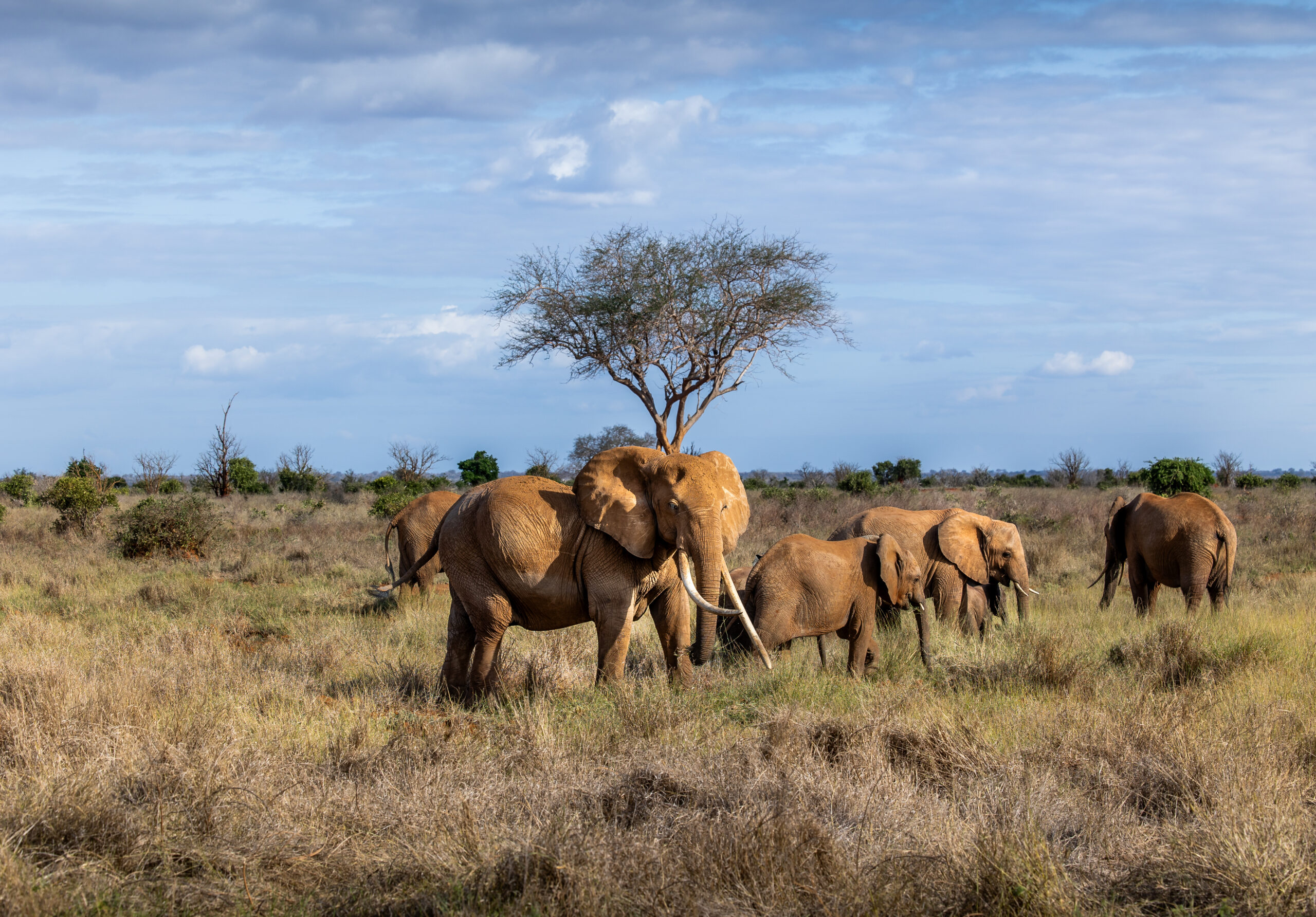
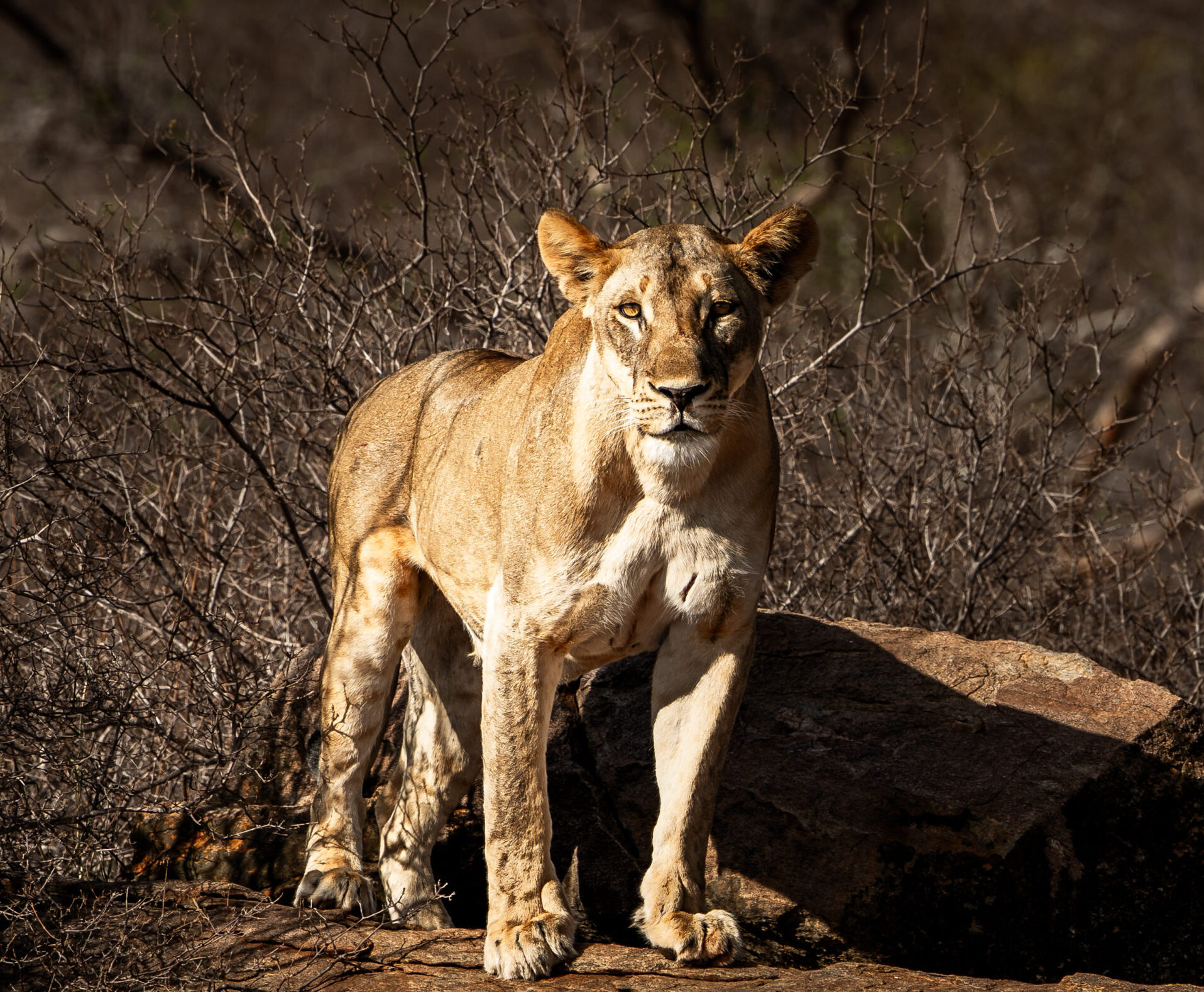
These landscapes support elephants, lions, leopards, rhinos, African wild dogs and a remarkable diversity of other wildlife.
However, the ecological importance of Tsavo extends beyond the boundaries of its national parks.
Elephants and other wide-ranging species move across extensive areas in response to rainfall, vegetation, seasonal water availability and other environmental conditions.
Maintaining viable populations therefore depends not only on protecting the parks themselves, but also on maintaining habitat connectivity and managing threats across the wider landscape.
Illegal wildlife killing, habitat fragmentation, human-wildlife conflict and changing land use can all affect conservation outcomes, even where substantial areas are legally protected.
This is where practical conservation becomes essential.
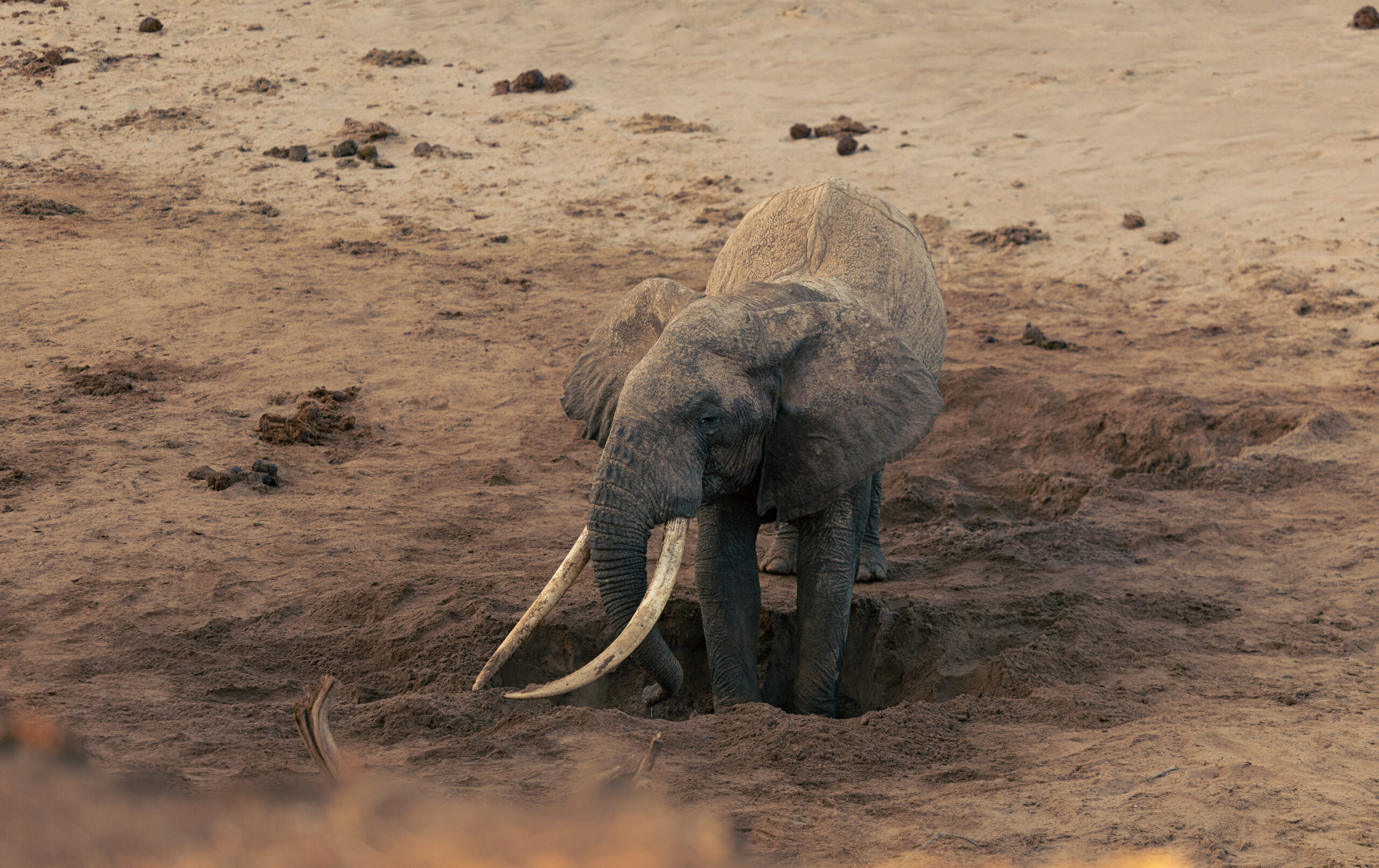
Tsavo Trust’s work includes long-term monitoring of elephants and Super Tuskers, aerial and ground-based surveillance, field conservation activities and collaboration with the Kenya Wildlife Service and other partners. The organisation also works with communities surrounding the Tsavo ecosystem, recognising that effective conservation depends on the involvement of people who share their landscapes with wildlife. Community initiatives help strengthen local relationships, support livelihoods and encourage cooperation in addressing conservation challenges, including human-wildlife conflict.
Together, these activities contribute to the information, protection and local support needed to identify threats, monitor wildlife populations and maintain functioning ecosystems.
The value of this work is not simply that it takes place within a protected area. It lies in its contribution to understanding and addressing the threats facing wildlife, both inside and beyond park boundaries.
Long-term monitoring can reveal changes in population structure, animal movements and patterns of mortality. Field patrols can identify threats requiring intervention. Community engagement can help reduce conflict and build local support for conservation, while partnerships with government agencies and other organisations enable coordinated responses to challenges that extend beyond any single organisation’s jurisdiction.
These are examples of the practical processes through which international biodiversity objectives must ultimately be implemented.

How should we measure conservation success?
If conservation commitments are to produce meaningful results, monitoring must extend beyond the number of policies adopted or protected areas established.
For wildlife populations, important indicators may include population trends, survival rates, reproductive success, distribution and genetic connectivity.
For ecosystems, measurements might include vegetation condition, habitat fragmentation, restoration outcomes and the continued functioning of ecological processes.
For conservation management, relevant indicators include the effectiveness of threat reduction, the resources available for field operations and the extent to which management decisions are informed by reliable evidence.
However, interpreting these measurements requires care.
An increase in wildlife numbers does not automatically demonstrate that a particular conservation intervention was successful. Similarly, a population decline does not necessarily mean management has failed.
Drought, disease, migration, predation and other environmental factors can influence wildlife populations independently of conservation activities.
For this reason, long-term monitoring and ecological expertise are essential.
Reliable conservation assessments should consider multiple indicators, compare changes against appropriate baselines and investigate the factors responsible for observed trends.
This is particularly important for long-lived species such as elephants, where population-level responses to environmental pressures and conservation interventions may take many years to become apparent.
Ultimately, the most useful question is not simply whether conservation activities have occurred, but whether they are contributing to healthier ecosystems and more secure wildlife populations.
Can the world still meet its 2030 targets?
The 2026 assessment presents a concerning picture, but it does not mean the global biodiversity framework has failed.
The establishment of national targets and strategies represents meaningful progress towards a more coordinated international response to biodiversity loss.
However, the remaining years before 2030 will require countries to accelerate implementation, strengthen financing and improve the monitoring of conservation outcomes.
The seventeenth United Nations Biodiversity Conference, taking place in Yerevan, Armenia, from 19 to 30 October 2026, provides an opportunity to assess progress, identify shortcomings and strengthen the collective response.
The challenge is not simply to secure further political commitments. It is to ensure that existing commitments are supported by sufficient resources, effective institutions and measurable implementation.
International agreements can establish priorities, encourage cooperation and mobilise funding. But they cannot independently restore an ecosystem or protect an endangered species.
Those outcomes depend on the actions taken by governments, conservation organisations, researchers, communities and land managers.
Conservation is ultimately measured on the ground
The Kunming-Montreal Global Biodiversity Framework represents an important international commitment to protecting the natural world.
Four years after its adoption, the latest UN assessment demonstrates that countries have made progress in establishing biodiversity targets and national strategies, but that implementation remains insufficient to achieve many of the framework’s objectives.
The distinction between conservation commitments and conservation outcomes is fundamental.
A protected area does not automatically guarantee the survival of the wildlife within it. A restoration target does not restore degraded habitat without sustained intervention. And a commitment to protecting biodiversity cannot succeed without adequate funding, effective management and reliable scientific monitoring.
For ecosystems such as Tsavo, meaningful conservation depends on maintaining functioning habitats, protecting wildlife populations and addressing threats through sustained field operations and collaboration.
Global biodiversity agreements provide an important framework for these efforts. Their ultimate success, however, will be determined by what happens within the landscapes they are intended to protect.
References
- Convention on Biological Diversity (2026). State of Biodiversity Action: Global Review of Progress towards the Kunming-Montreal Global Biodiversity Framework. https://www.cbd.int/globalreview/report2026
- Convention on Biological Diversity (2022). Kunming-Montreal Global Biodiversity Framework. https://www.cbd.int/gbf
- Kenya State Department for Environment and Climate Change (2026). Government Moves to Finalize Updating Its National Biodiversity Strategy and Action Plan to 2030. https://environment.go.ke/index.php/government-moves-finalize-updating-its-national-biodiversity-strategy-and-action-plan-2030