Skip to content

Why do we translocate rhinos?

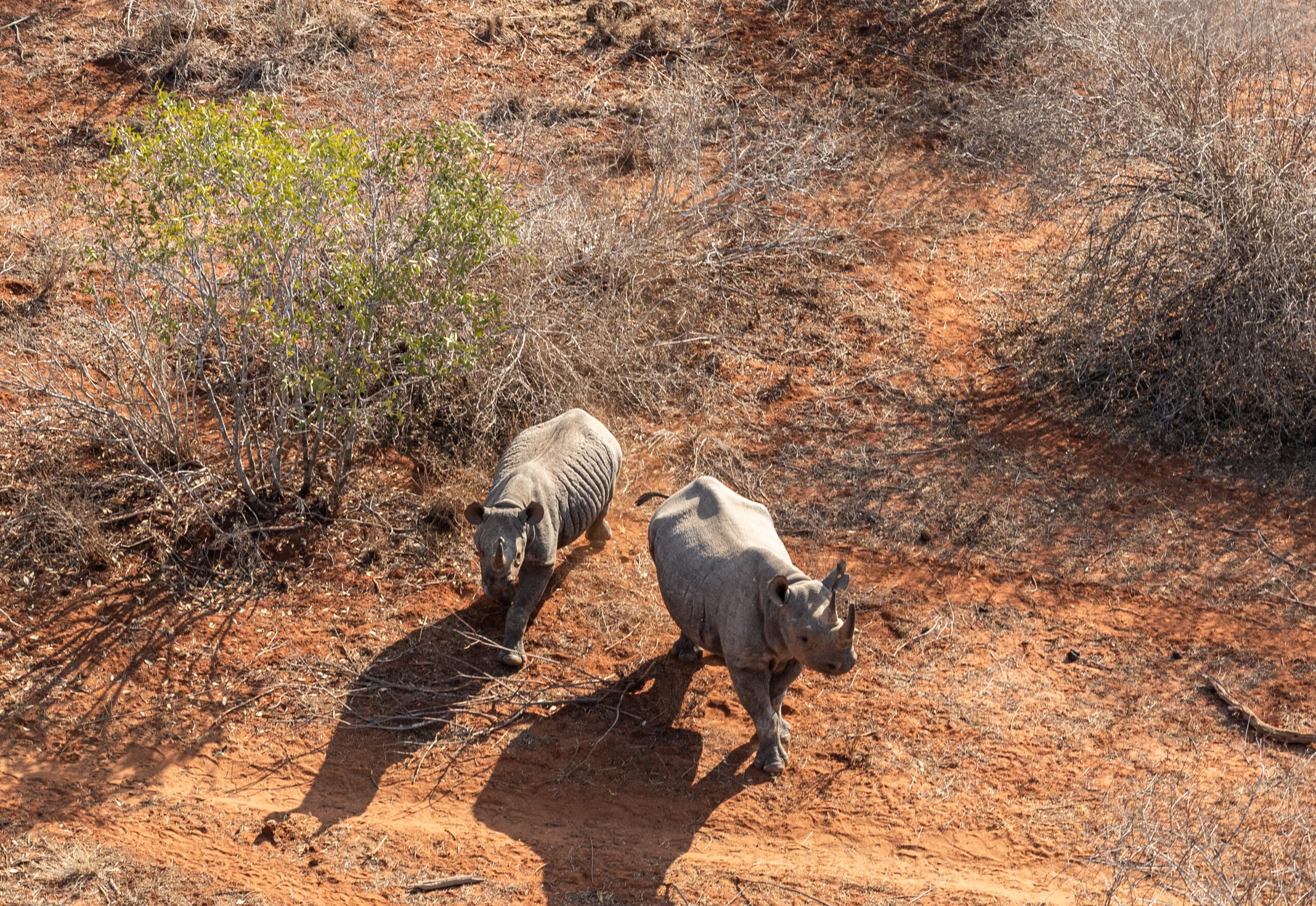
The start of 2024 brings another crucial step towards safeguarding rhino populations in Kenya, a mission we find very important here at Tsavo Trust. On January 16th, the Kenyan Ministry of Tourism and Wildlife began the process of translocating 21…
Read more

How does El Niño affect Tsavo?

The Tsavo Conservation Area hosts a diverse range of organisms that have adapted to the region's particular climate and environment. Male lions, facing thorny vegetation and high temperatures, do not develop manes. Meanwhile, elephants take on a characteristic red colour…

Read more

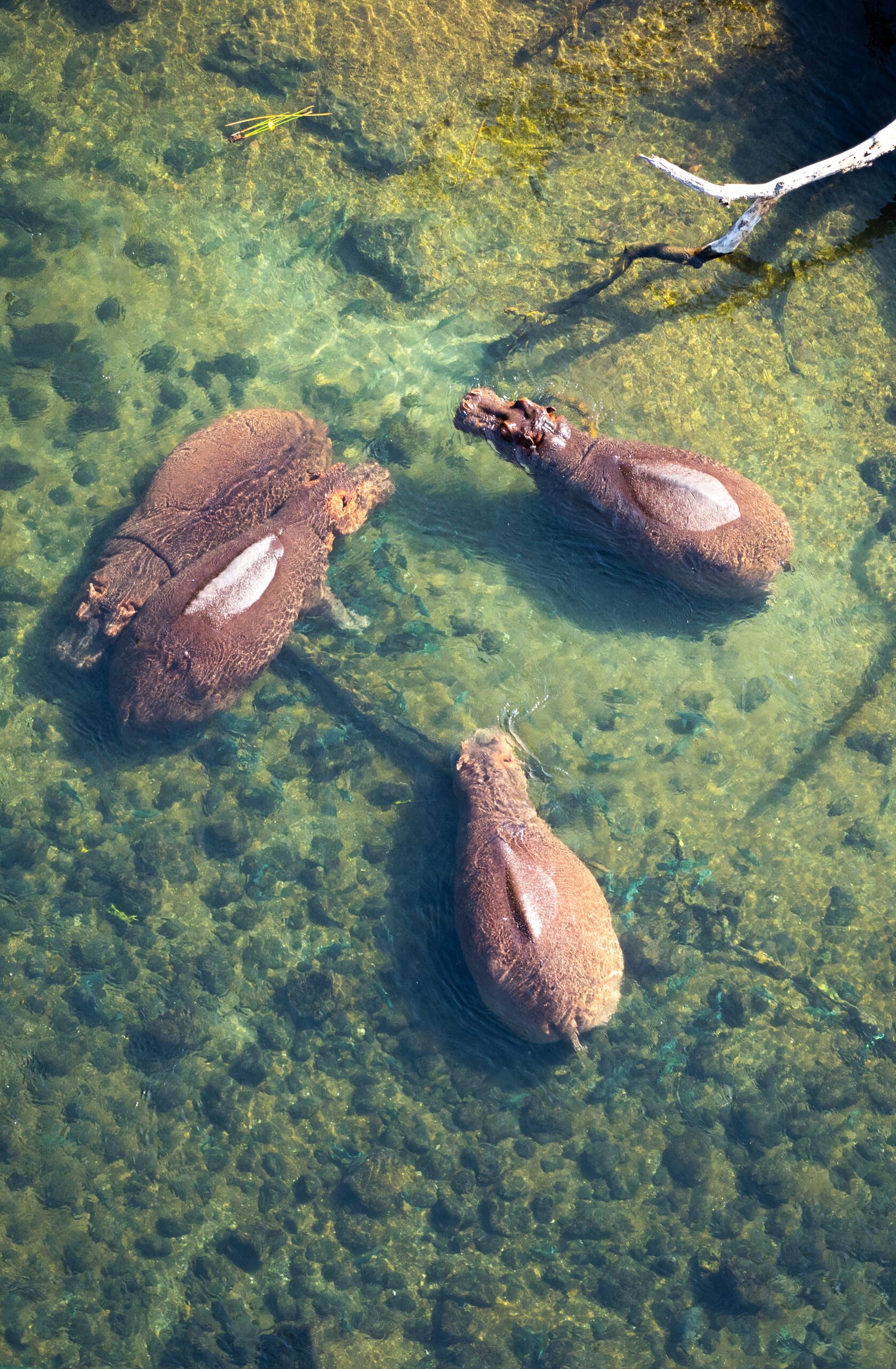
Mzima Springs: Clear waters and the impact of hippos

Mzima Springs stands out as one of the most remarkable topographical features within the Tsavo Conservation Area, offering a compelling destination for visitors exploring Tsavo West National Park. The allure of Mzima Springs lies in its crystal-clear waters, providing a…

Read more

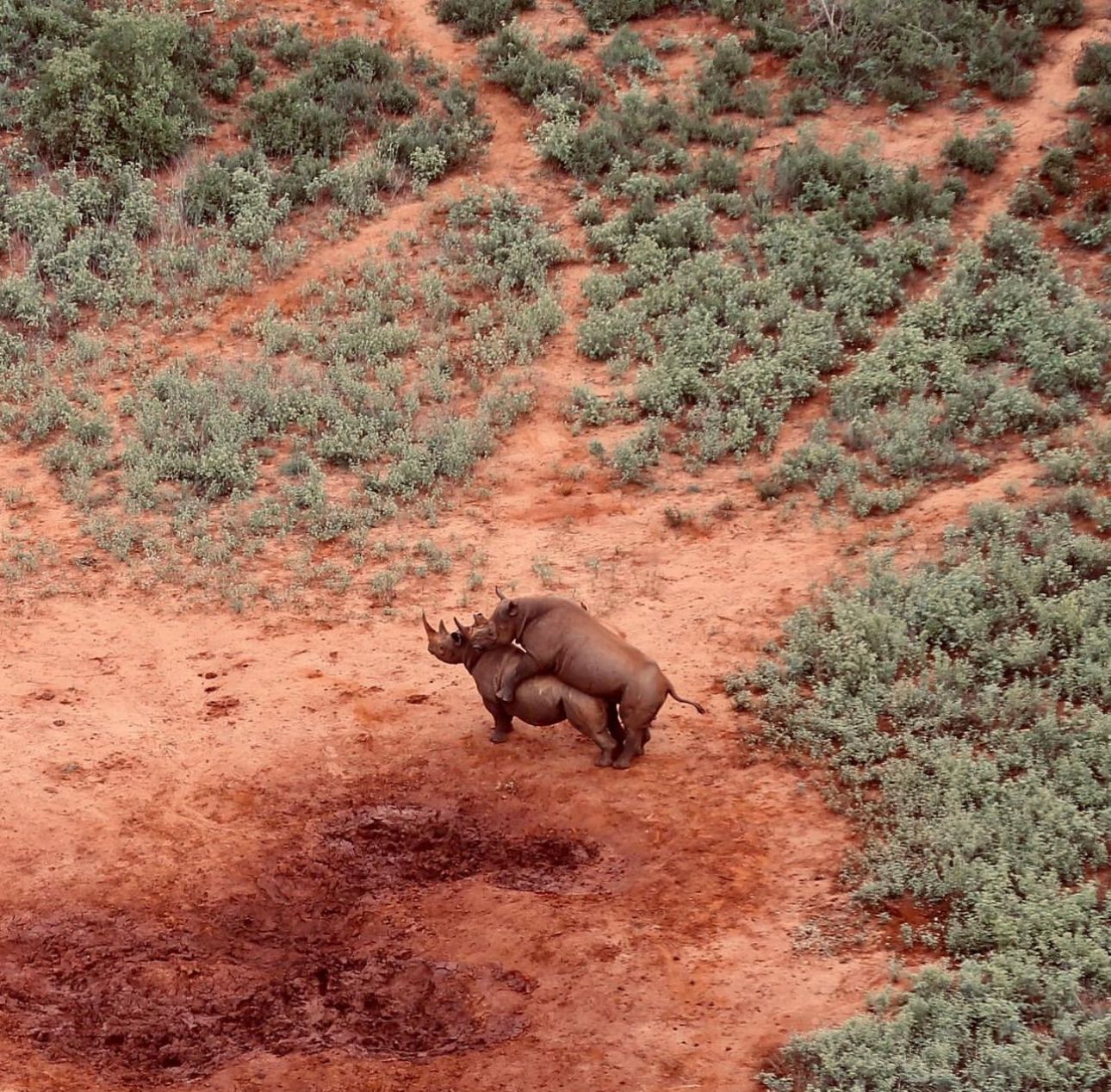
How do rhinos mate?

In 1940, Tsavo National Park harbored around 20,000 rhinos, yet rampant poaching led their numbers to plummet to less than 20 by 1989. The establishment of the Ngulia Rhino Sanctuary (NRS) and the Intensive Protection Zone (IPZ) successfully increased the…

Read more

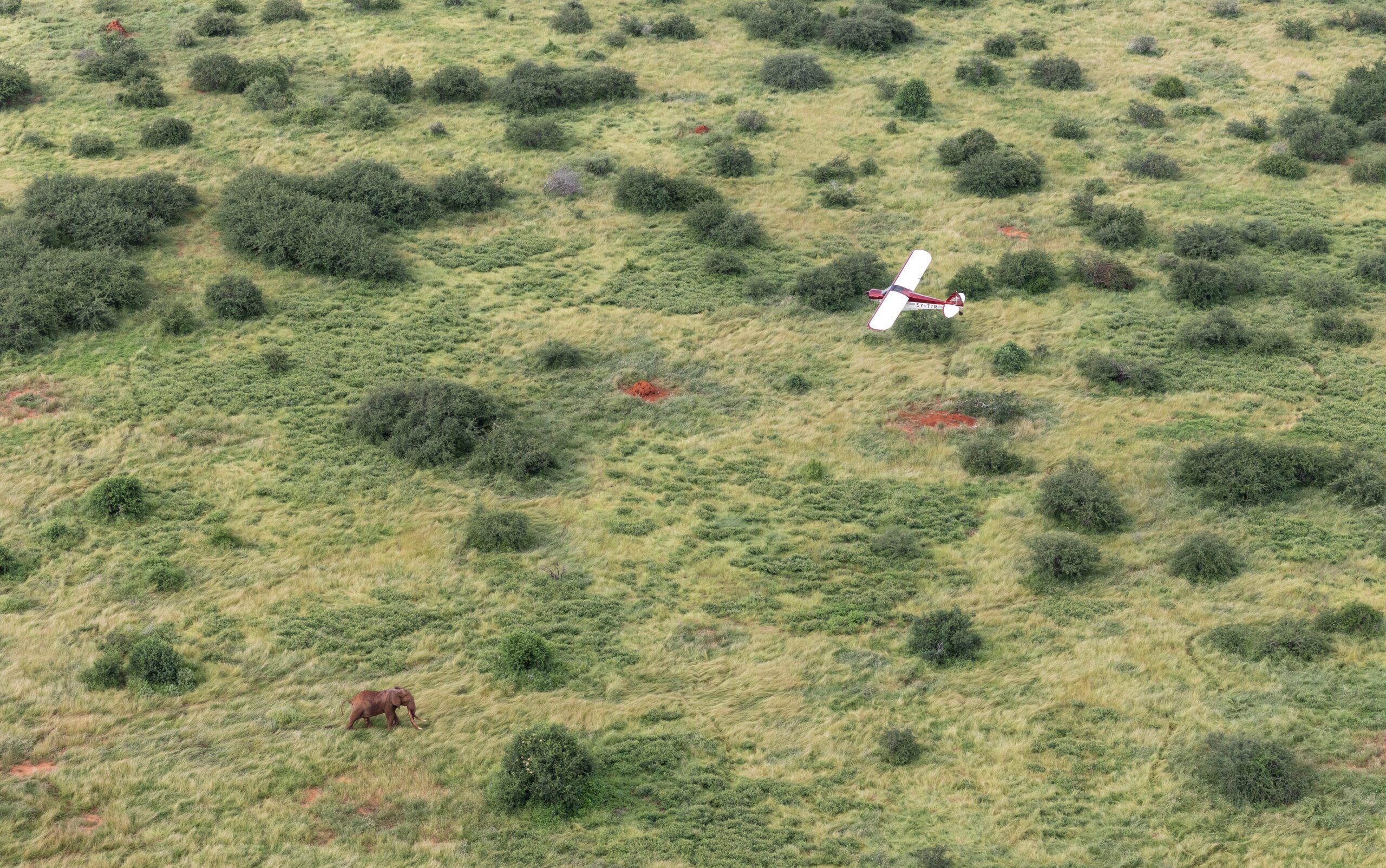
How far can an elephant walk?

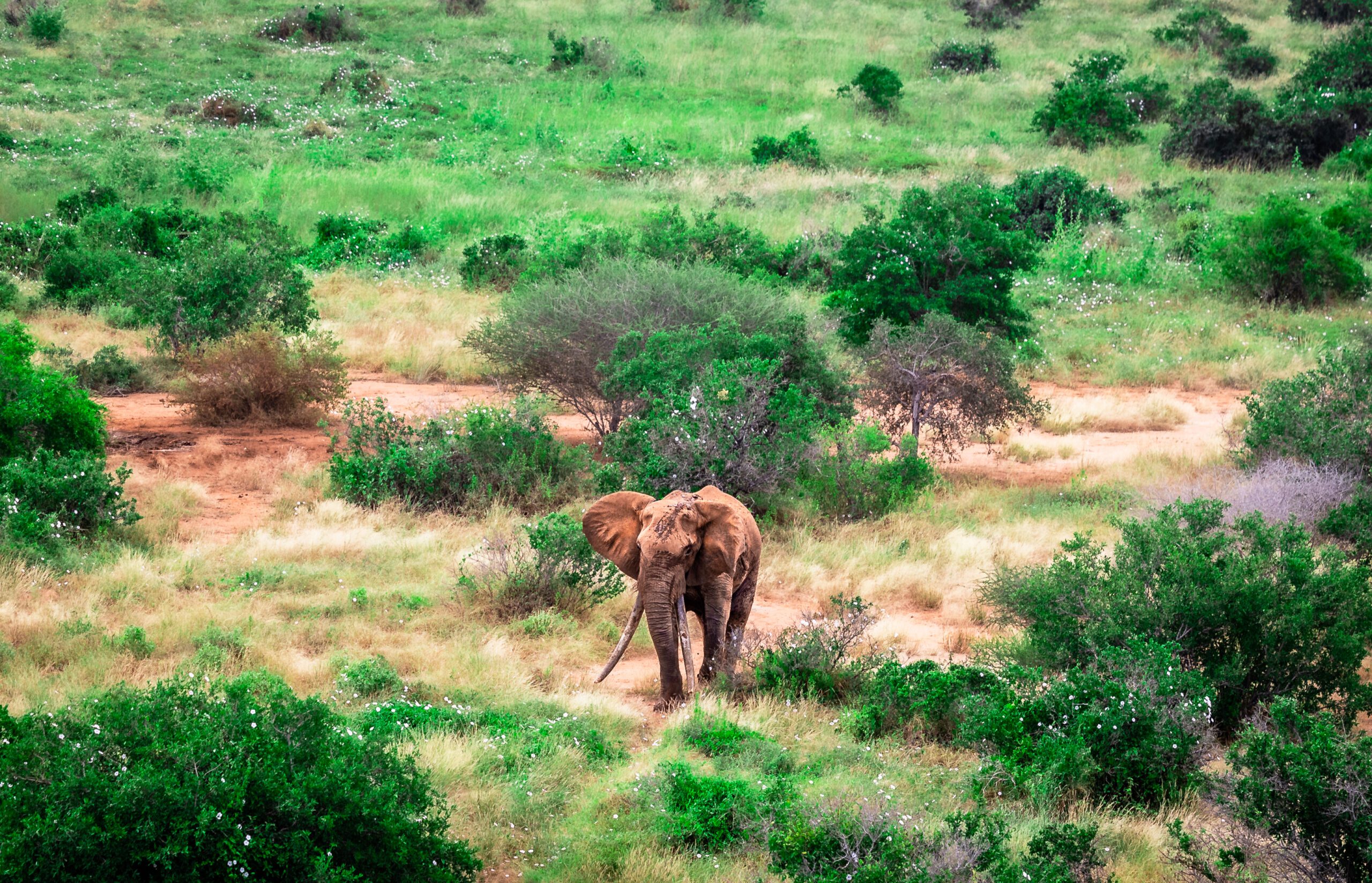
Elephants are renowned for their incredible ability to cover vast distances. Some African elephants, astonishingly, can traverse up to 200 km in a single day. In Tsavo, a region in Kenya, our pilots estimate that the typical daily journey for…

Read more

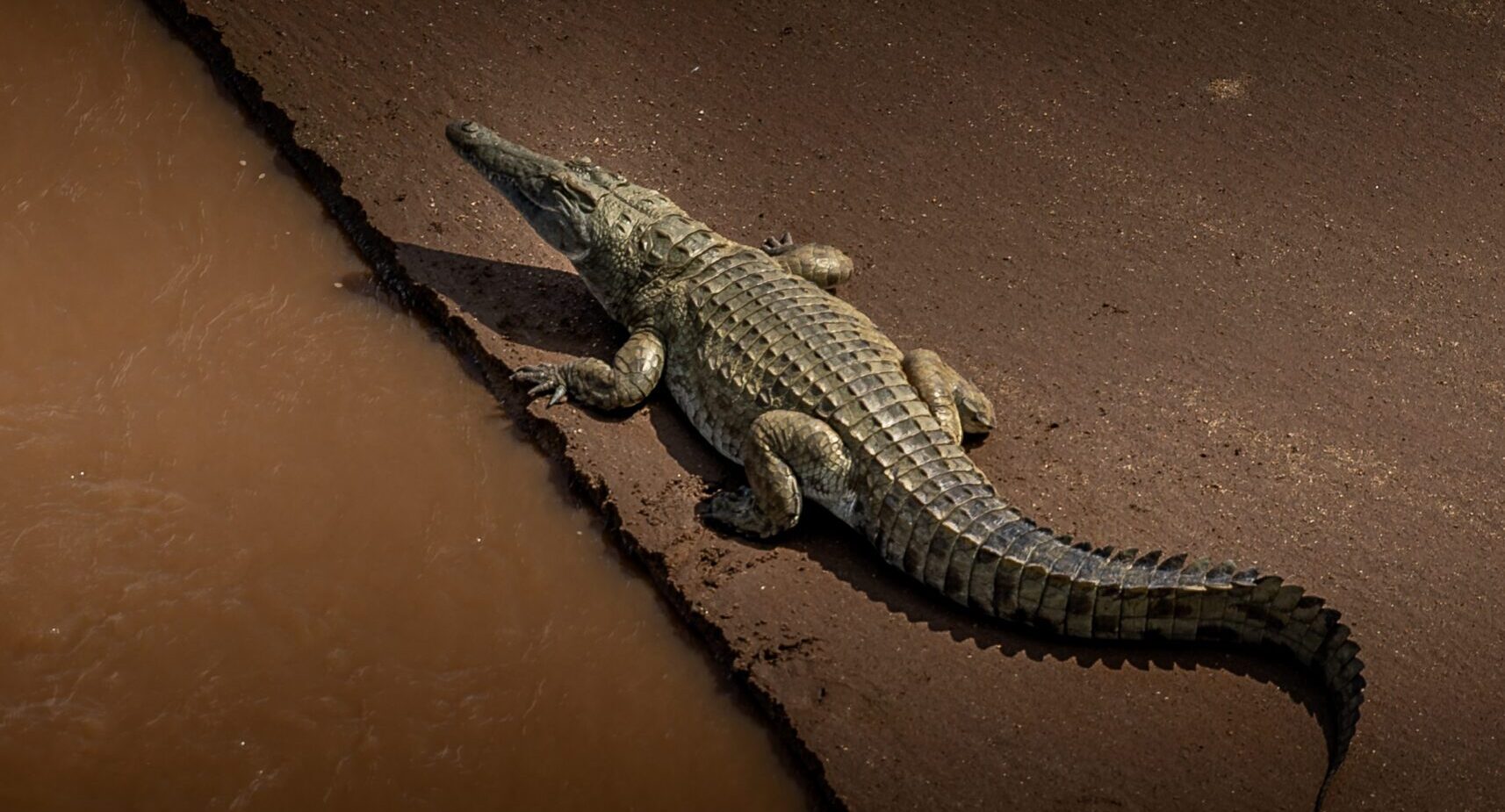
The animals of Tsavo’s rivers

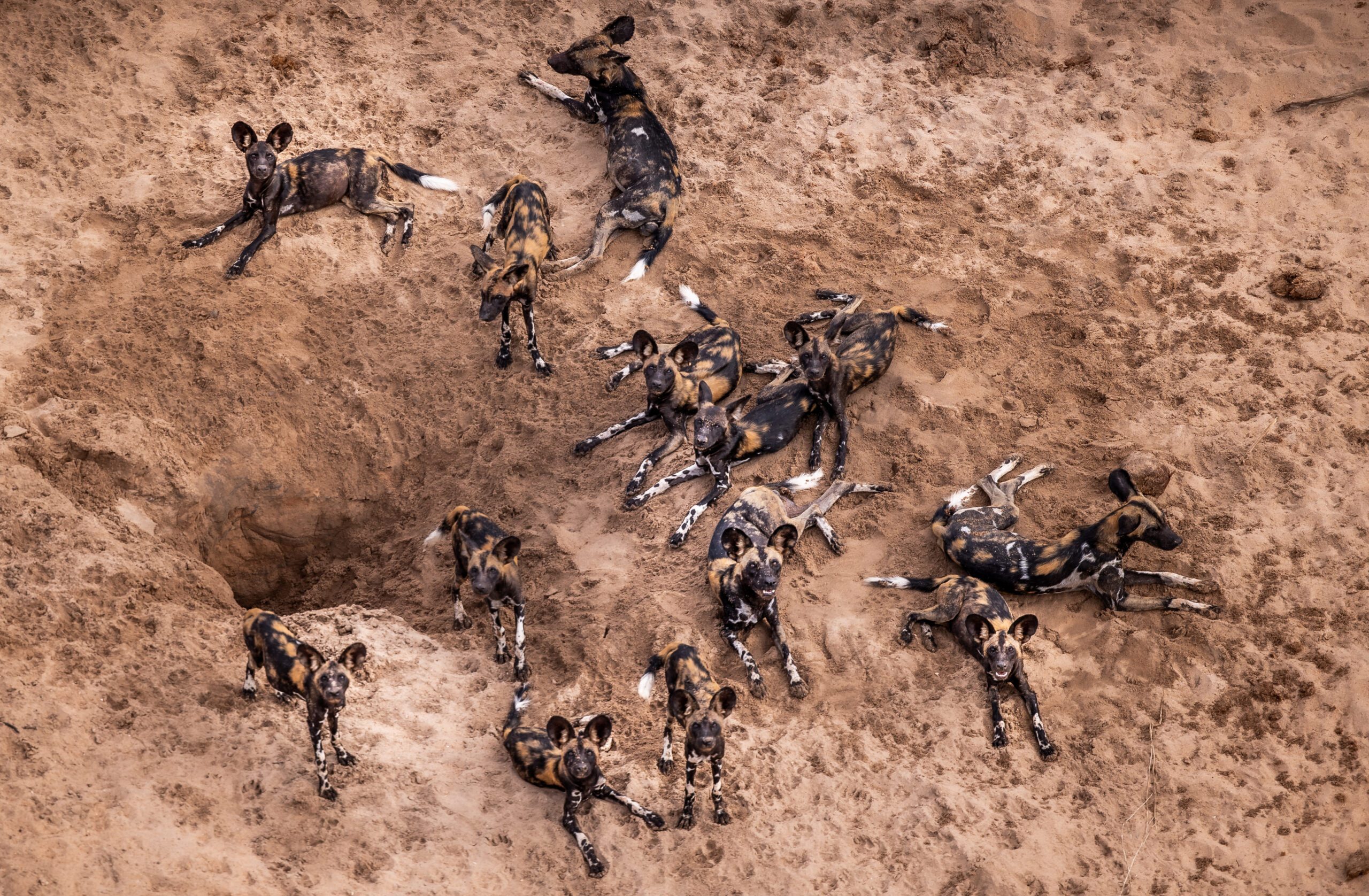
Meandering eastward from the western fringes of Kenya's Tsavo West National Park, near the Tanzanian border, the Tsavo River charts a course until it converges with the Athi River, giving rise to the Galana River in the heart of the…

Read more

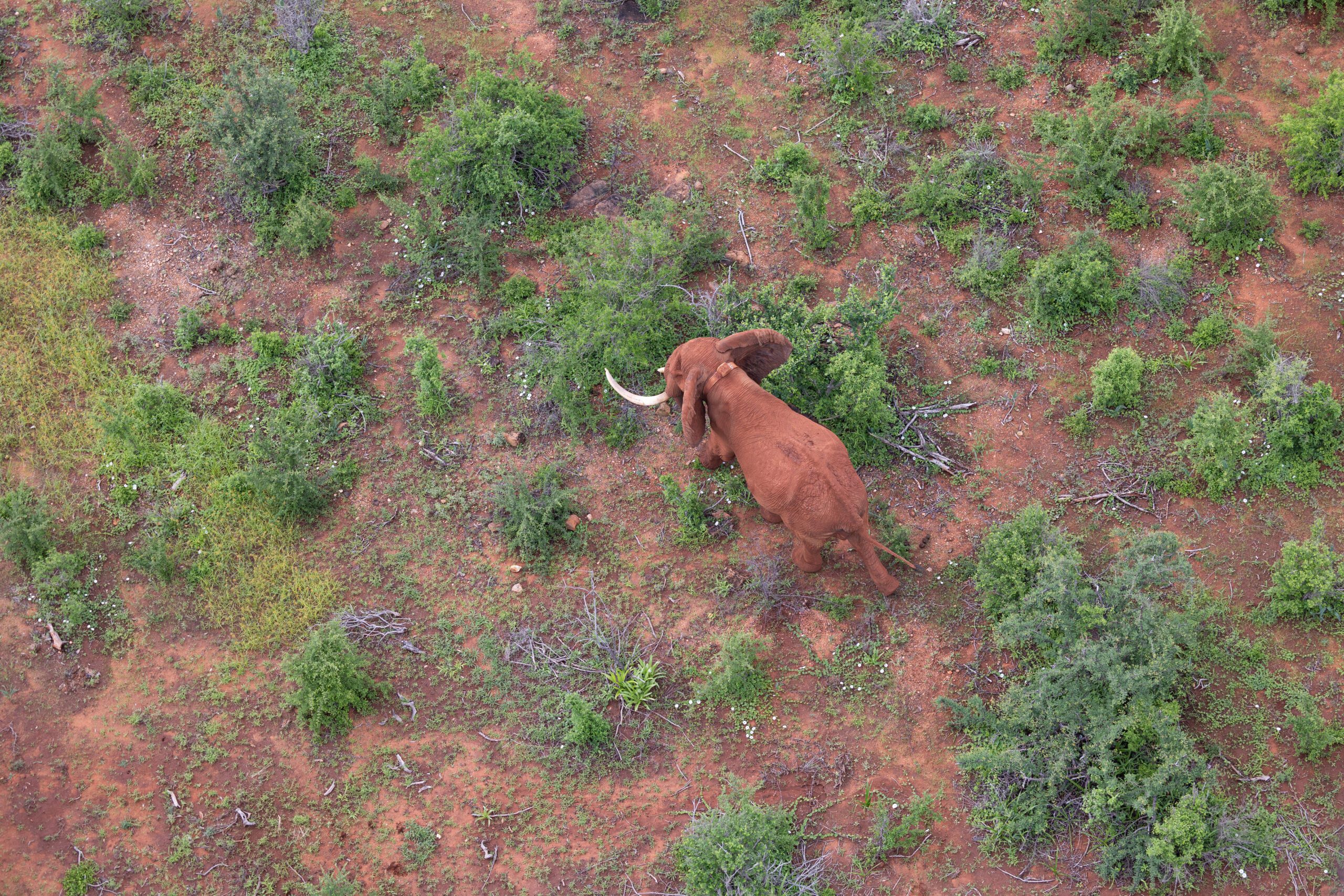
Why do we collar elephants?

Through the use of collars, researchers can delve into the intricate details of elephant behaviour, from deciphering their expansive home ranges to unravelling migratory routes that span vast landscapes. This isn't merely an exercise in curiosity; it's a crucial tool…

Read more

What happens when an elephant dies?

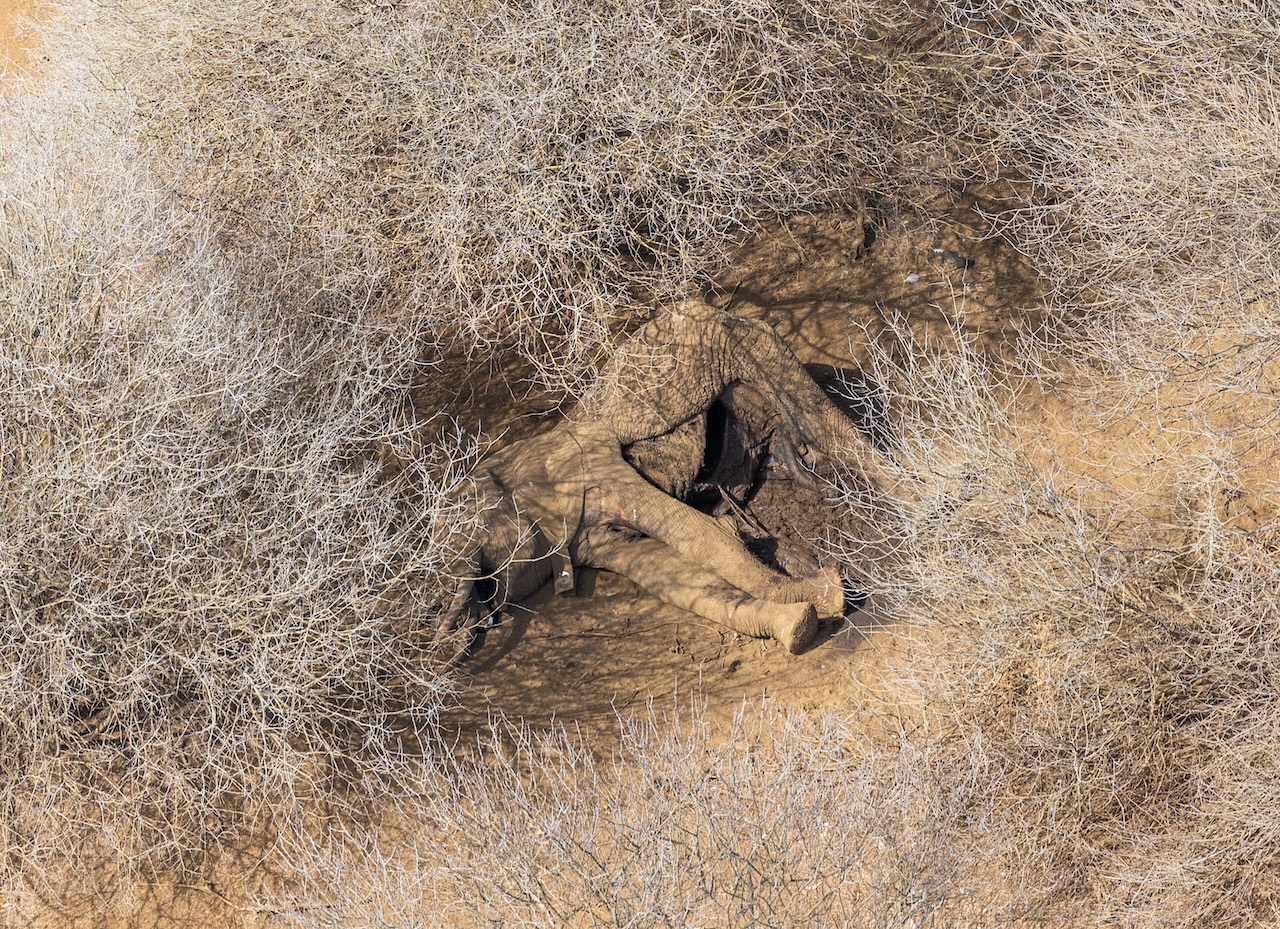
Elephants boast an average lifespan of approximately 65 years or more. In Kenya, the primary cause of elephant mortality is natural, a testament to the commendable efforts of conservation organizations and the Kenya Wildlife Service. However, despite these achievements, elephants…

Read more
Back To Top