

What the study found
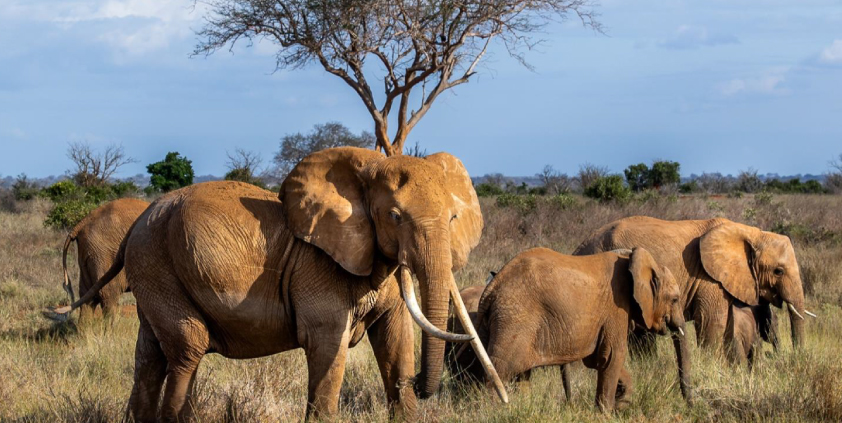
Researchers Jasper Croll and Hal Caswell built a new demographic model that looked beyond numbers and into family ties. They asked: what happens to elephant survival and reproduction when mothers, sisters, and matriarchs are lost? The results reinforce what field researchers have long observed, that kinship bonds are essential to elephant survival, and the loss of these relationships can have far-reaching consequences for populations.
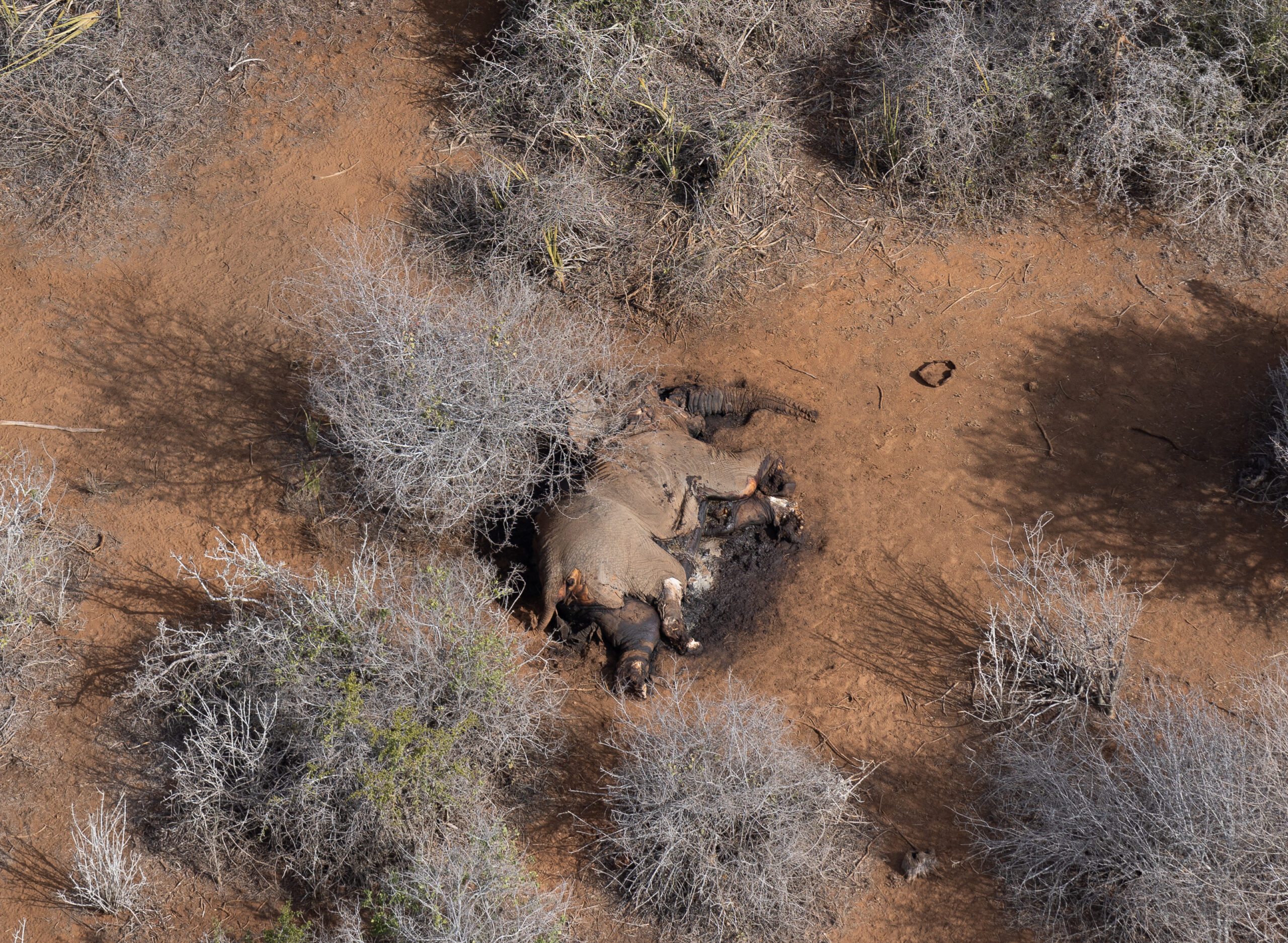
Poaching harms elephant populations in two interconnected ways. It not only removes individuals directly but also dismantles the family networks that support survival and reproduction. When family dynamics are ignored, a population can continue to grow until poaching reaches roughly 9.5%. But once the influence of mothers, sisters, and matriarchs is factored in, the threshold for decline drops sharply. Even relatively low levels of poaching can then tip a population into negative growth, showing how deeply family bonds shape elephant resilience.
Kinship collapses under pressure. Family networks shrink when adult females are killed, leaving fewer mothers, sisters, and elders. This collapse weakens the survival chances of calves and lowers the fertility of young females
Three life stages of relatedness. Females start life closely connected, lose that support as mothers and grandmothers die, gain it back once they have daughters, then see it fall again in old age. Poaching depresses these bonds across all stages.
Why specific kin matter:
Losing a mother raises calf mortality.
Losing sisters reduces a young female’s chances of reproducing.
Losing matriarchs strips calves of the protective influence of age and knowledge
Together, these kinship effects mean that the death of one matriarch or mother is not just a single loss, it is a multiplier that weakens the whole family line.
Why this matters for Tsavo
In Tsavo, we see every day how central mothers and matriarchs are to elephant society. This research proves that their loss destabilises populations far faster than carcass counts alone suggest. For conservation, that means:
Protecting matriarchs and breeding females is non-negotiable. They are the keystones of family survival.
Human–elephant conflict (HEC) deaths have the same ripple effects as poaching. Preventing the loss of adult females saves entire family lines.
Monitoring must look beyond numbers. Tracking which roles are lost—mothers, sisters, matriarchs—offers early warning of looming population declines.
The bigger picture
Elephants are not just individuals; they are nodes in a living network of kinship that stretches across generations. When poaching or conflict severs those ties, populations can unravel more quickly than we might think.
This is why Tsavo Trust’s work—safeguarding families, patrolling landscapes, and protecting the last of the great Super Tuskers—is so critical. Every mother kept alive, every matriarch protected, ensures that calves survive, young females breed, and the next generation of Tsavo’s giants thrives.
Support elephant families
The lesson is clear: if we want elephant populations to grow, we must defend not just individuals, but the families that sustain them.