

For many animals, one of the most significant events in life is not being born, learning to hunt or raising young. It is leaving home.
Dispersal plays a fundamental role in maintaining healthy wildlife populations. It prevents inbreeding, promotes genetic diversity, allows animals to recolonise suitable habitat and enables populations to recover after local declines. For conservationists, understanding how and why animals disperse is just as important as understanding how they breed or hunt.
Yet there is no single blueprint for dispersal.
Across the Tsavo Conservation Area, elephants, African wild dogs, lions, cheetahs and spotted hyenas have each evolved remarkably different solutions to the same evolutionary challenge. Their contrasting strategies reflect millions of years of adaptation to different social systems, hunting methods and ecological pressures.
What is dispersal?
Dispersal is often confused with migration, but the two are fundamentally different.
Migration is usually a seasonal movement between areas before animals eventually return. Dispersal, by contrast, is typically a one-way journey. An individual permanently leaves the area where it was born to reproduce elsewhere.
For some species this means travelling alone across unfamiliar landscapes. Others leave with siblings, join bachelor groups or enter entirely new social hierarchies. Regardless of the strategy, the outcome is the same: dispersal allows genes to move between populations while reducing the likelihood of inbreeding.
African elephants
African elephants live within one of the most stable matriarchal societies found in mammals.
Female calves usually remain with their mothers throughout life. Mothers, daughters, sisters, aunts and grandmothers form tightly knit family groups led by an experienced matriarch, whose knowledge of water sources, migration routes and seasonal resources can determine the survival of the entire family during periods of drought.
Young bulls follow a different path.
Between approximately 10 and 15 years of age, males gradually begin spending more time away from their family before eventually dispersing altogether. Initially they may associate with loose bachelor groups, but as they mature, particularly during periods of musth, older bulls often become increasingly solitary.
This pattern serves an important evolutionary purpose. By moving between family groups, dispersing bulls transfer genes across the wider population while allowing female family units to remain stable for generations.
Dispersal is not the only contribution older bulls make to elephant society.
Research has shown that mature bulls act as important social role models for younger males. Their presence can suppress excessive aggression, influence social development and help young bulls learn appropriate behaviour. In populations where older males have been removed, younger bulls have exhibited abnormal aggression and entered musth at unusually early ages, demonstrating the important social influence experienced bulls provide.
This is particularly relevant in Tsavo.
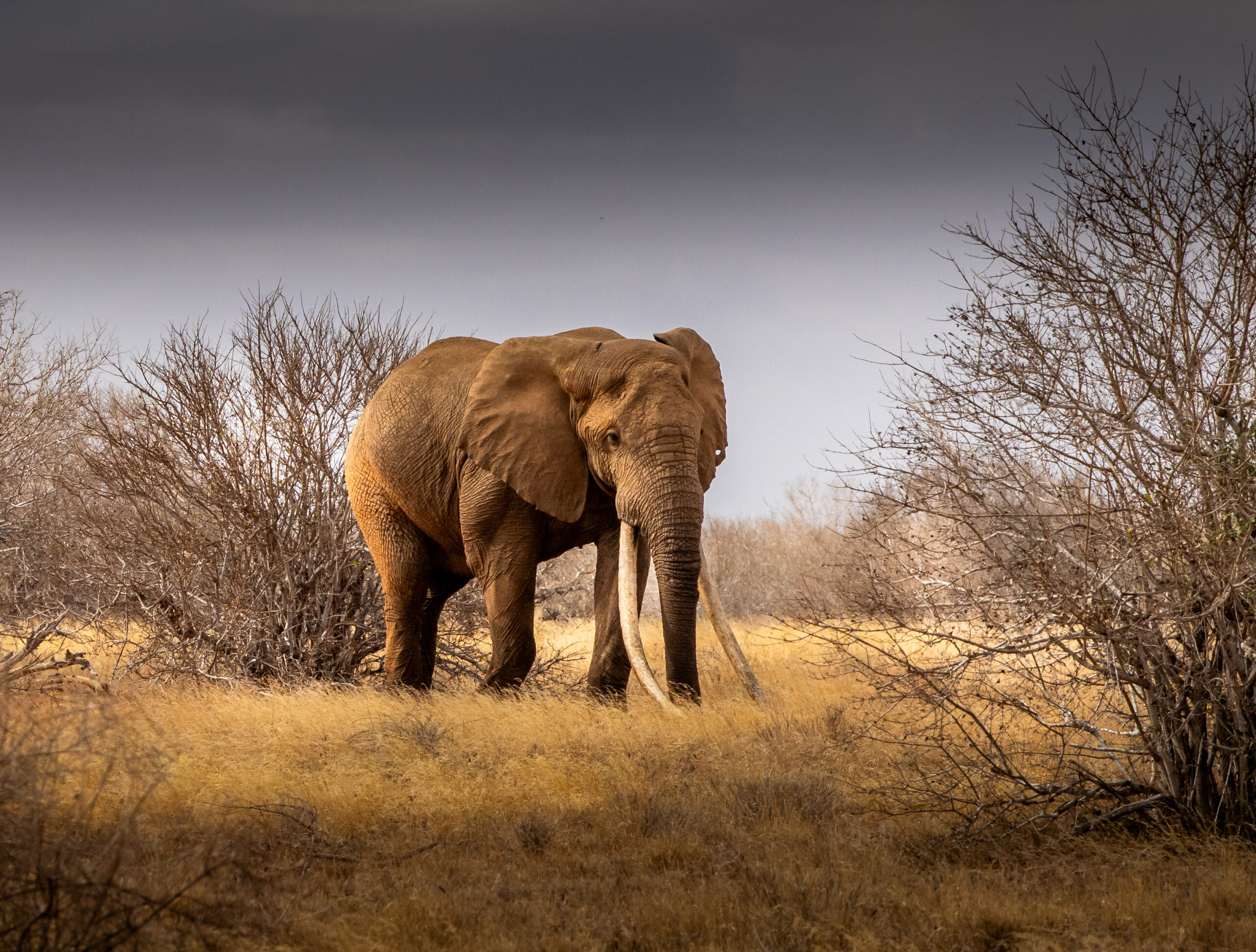
The Tsavo Conservation Area supports one of the world’s last populations of Super Tuskers, elephants carrying tusks weighing more than 45 kilograms (100 pounds) each. While these remarkable bulls are internationally recognised for their enormous ivory, they are equally important as experienced breeding males and social leaders. Protecting them preserves not only exceptional genetics but also decades of ecological knowledge that younger generations can benefit from.
Although the broad pattern of elephant dispersal is well understood, questions remain about exactly how young bulls choose where to settle and the extent to which experienced males influence those decisions. These are active areas of research that will improve our understanding of elephant society.
African wild dogs
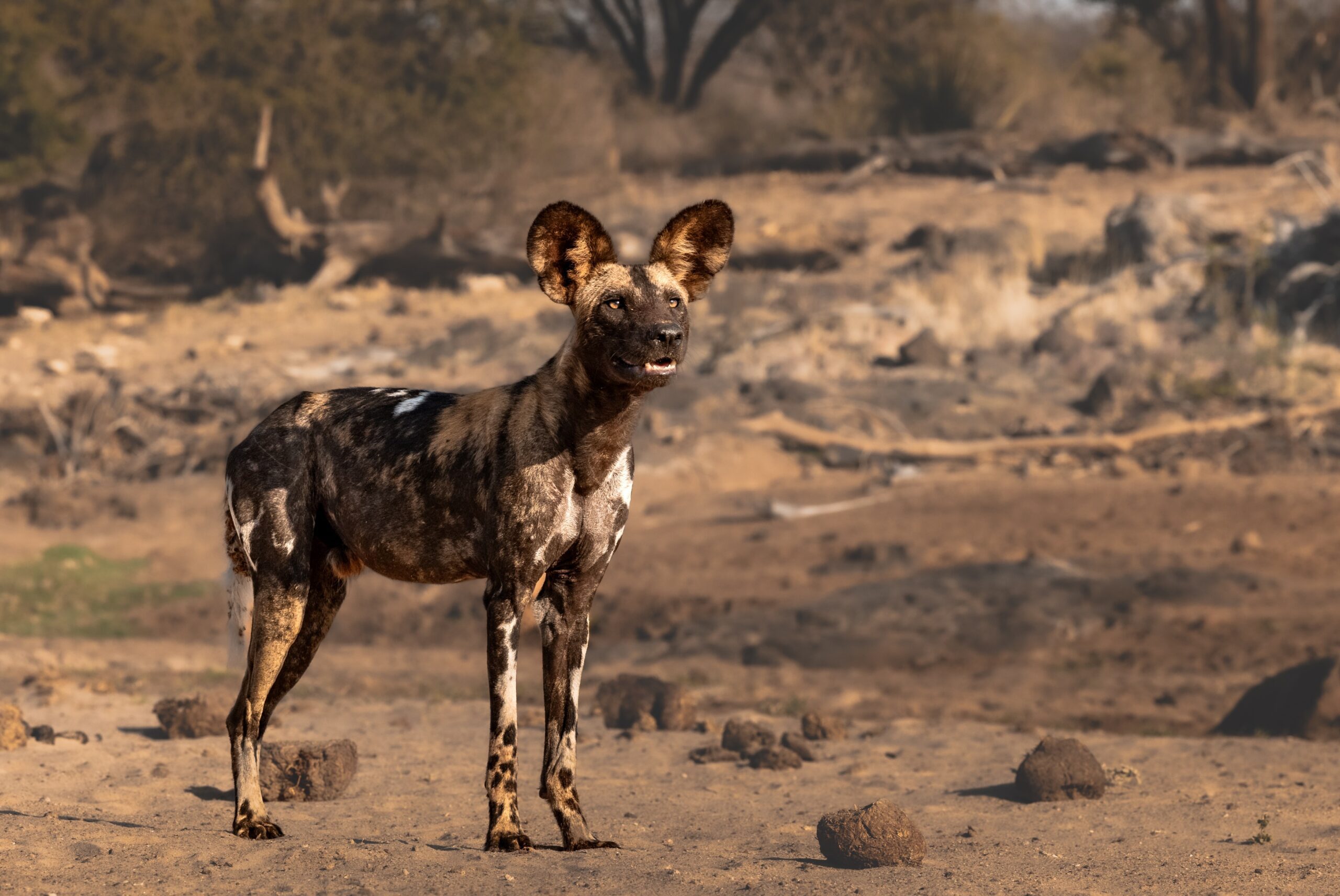
African wild dogs have evolved one of the most distinctive dispersal strategies of any large carnivore.
Unlike most species, individuals rarely leave home alone.
Instead, brothers typically disperse together, while sisters form separate female dispersal groups. These siblings, having already spent years hunting and raising younger pups together, remain closely bonded as they search for unrelated members of the opposite sex.
When a male dispersal group encounters a female dispersal group, the two unite to establish an entirely new pack.
This system is unique among Africa’s large carnivores. Rather than a single breeding pair founding a new social group, wild dog packs are built from two unrelated families that already possess strong social bonds and extensive hunting experience.
Long-term research in Kenya has shown that almost every wild dog surviving to adulthood eventually disperses, and that 98% of breeding males and females first became alphas only after leaving their natal pack. Dispersal is therefore the principal route to reproduction.
GPS collar studies have also transformed our understanding of these journeys. Although successful dispersers may eventually settle only a few dozen kilometres from where they were born, they often travel hundreds of kilometres while searching for suitable habitat and unrelated mates.
Unfortunately, dispersal is also the most dangerous period in a wild dog’s life.
Young dispersers experience substantially higher mortality than established pack members, with many deaths resulting from roads, snares and other forms of human activity encountered while crossing unfamiliar landscapes.
This dependence on long-distance movement makes habitat connectivity particularly important for wild dog conservation.
Within the Tsavo Conservation Area, Tsavo Trust works alongside conservation partners to monitor wild dog packs across the landscape. By documenting pack locations, movements and breeding success, this long-term monitoring improves our understanding of how wild dogs use the ecosystem and highlights the importance of maintaining connected habitats that allow new packs to form naturally.
Lions
The social organisation of lions reflects a clear division between the roles of males and females, and their dispersal strategy reflects these differences.
Female lions usually remain within the pride into which they were born. Mothers, daughters and sisters often spend their entire lives together, cooperatively raising cubs and defending territory.
These lifelong social bonds are also fundamental to hunting success.
Unlike most other cats, lions frequently hunt cooperatively, allowing them to capture large prey such as buffalo. Successful cooperative hunting requires individuals to anticipate each other’s movements and coordinate their actions, behaviour that is likely strengthened through years of living and hunting alongside close relatives.
Young males follow a different strategy.
As they approach maturity, males leave their natal pride, often dispersing with brothers or cousins to form coalitions. These coalitions do not primarily exist to improve hunting success. Instead, cooperation allows males to defend territories, repel rival coalitions and gain access to prides containing breeding females.
Strong social bonds between brothers therefore remain advantageous after dispersal, but for a very different purpose than those maintained by females.
Coalition size varies considerably across Africa.
In ecosystems such as the Maasai Mara and the Serengeti, where lion densities are high and competition between neighbouring prides is intense, coalitions of two, three or more males are often needed to successfully acquire and maintain a pride.
Within the Tsavo Conservation Area, however, prides are frequently defended by a single dominant male. Lion densities are considerably lower than in the Mara, territories are much larger and encounters with rival coalitions are less frequent. These ecological differences may reduce the need for large male coalitions, although the precise drivers of this variation remain an active area of research.
Cheetahs
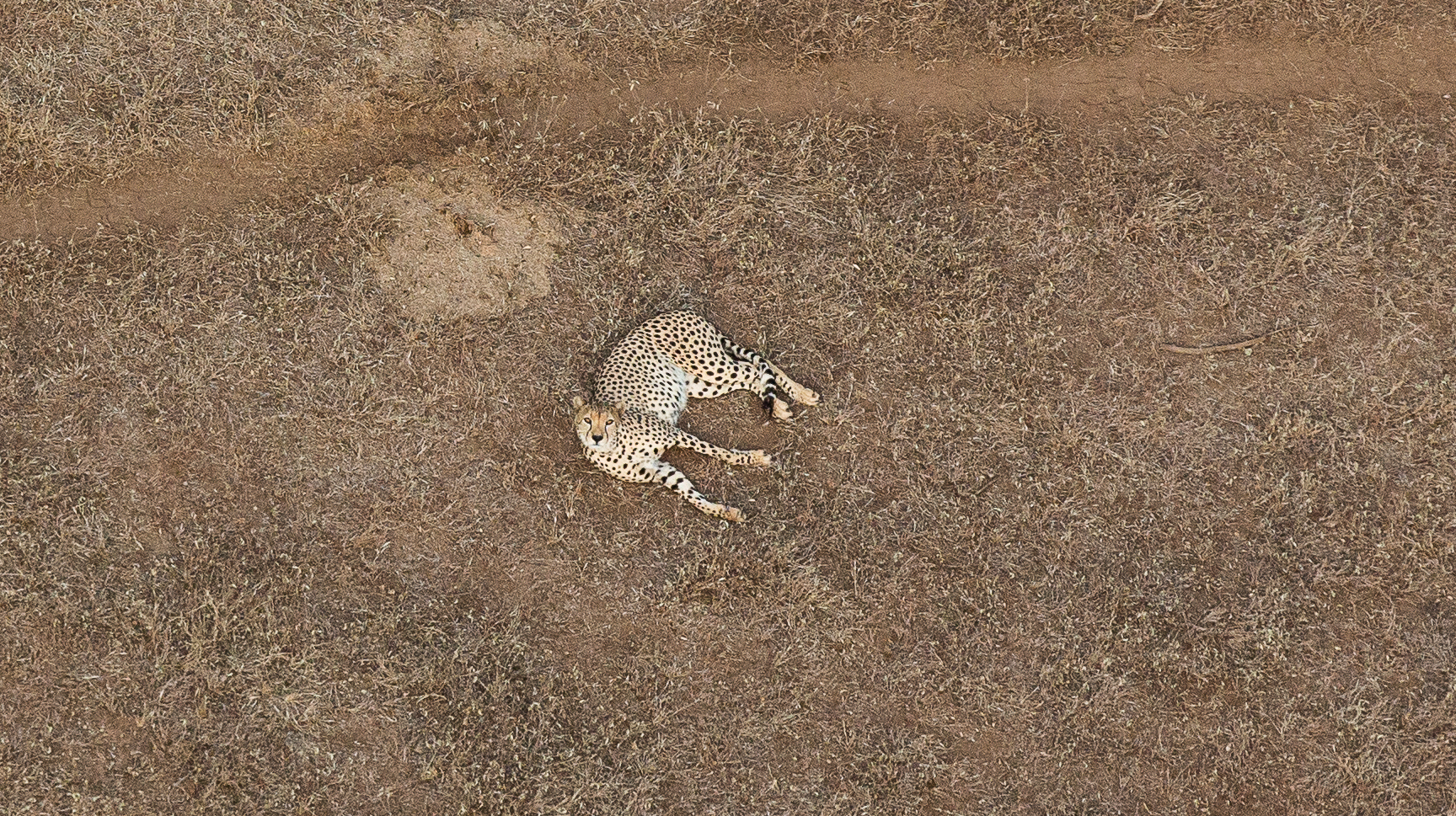
Cheetahs display one of the most unusual dispersal strategies among the world’s cats.
Young females typically disperse alone after leaving their mother’s home range. They establish extensive ranges that may overlap with other females and generally live solitary lives, coming together with males only for mating.
Males often follow a very different strategy.
Brothers frequently remain together after dispersal, forming coalitions that can persist throughout their adult lives. These coalitions cooperate in defending territories and securing access to females.
Research has shown that males within coalitions are generally more successful at acquiring and maintaining territories than solitary males, giving them greater reproductive opportunities. Although coalition members may also cooperate during hunts, territorial defence and access to females appear to be the primary evolutionary advantages of this behaviour.
Not every male disperses with brothers. Individuals without surviving male siblings often disperse alone.
Researchers continue to investigate why lifelong male coalitions evolved in cheetahs and the relative importance of cooperation in hunting, territorial defence and reproductive success.
Spotted hyenas
Spotted hyenas possess one of the most complex social systems among mammals, and their dispersal strategy reflects this complexity.
Female hyenas remain within the clan into which they were born. Daughters inherit social status from their mothers, and powerful matrilines can persist for generations. Adult females dominate every adult male regardless of body size.
Males follow a very different life history.
After reaching sexual maturity, they leave their natal clan and immigrate into an unrelated clan, where they immediately occupy the lowest social rank among males.
Interestingly, research has shown that adult natal males are generally more aggressive than immigrant males and dominate them in social interactions. Yet despite their higher status within their birth clan, they are almost never observed mating with natal females, effectively preventing inbreeding.
Following dispersal, male physiology also appears to change.
Studies have found that immigrant males possess significantly higher circulating testosterone concentrations than adult natal males. Among immigrants, testosterone levels are positively associated with social rank, leading researchers to suggest that dispersal itself may stimulate testosterone production as males compete for breeding opportunities within their new clan.
Another intriguing pattern has emerged from long-term studies.
Sons of high-ranking females often rise relatively quickly within the male hierarchy after dispersing. Having grown up with better nutrition and social support, they are generally larger and more competitive than males born to lower-ranking females. Nevertheless, they remain subordinate to every adult female within the clan.
Although considerable progress has been made in understanding hyena dispersal, researchers are still investigating how females choose mates among immigrant males and the relative importance of social rank, tenure and hormone levels in determining reproductive success.
Why dispersal matters for conservation
Dispersal is far more than an interesting behavioural adaptation.
It is the mechanism that connects populations.
Young bulls carry elephant genes between family groups. Wild dogs establish entirely new packs. Male lions transfer genes between prides. Cheetahs and hyenas maintain genetic diversity by reproducing far from where they were born.
As human populations grow, landscapes become increasingly fragmented by roads, fences, agriculture and settlements. These barriers do not simply restrict movement. They interrupt one of the most fundamental biological processes required to maintain healthy wildlife populations.
This is why landscape connectivity has become such an important focus of modern conservation.
Within the Tsavo Conservation Area, Tsavo Trust’s long-term monitoring of elephants, wild dogs and other large mammals contributes to a better understanding of how wildlife moves through the landscape. Combined with efforts to protect habitat and maintain ecological connectivity, this work helps ensure that dispersal, one of nature’s most important evolutionary processes, can continue.
Final thoughts
Every young elephant bull leaving his family, every coalition of dispersing lions, every group of wild dogs searching for unrelated mates, every female cheetah establishing a new range and every immigrant male hyena entering an unfamiliar clan is undertaking one of the most important journeys of its life.
These journeys shape the genetic health of populations, connect distant ecosystems and allow species to adapt to changing environments over generations.
Understanding dispersal reminds us that conservation is not only about protecting the places where animals live today. It is equally about protecting the landscapes that allow them to move, establish new populations and secure the future of their species.
For Africa’s wildlife, the journey away from home is often the first step towards ensuring that the next generation has a place to call home.