

When people think about elephant conservation, they usually think about the elephants themselves. They think about protecting one of the world’s most intelligent animals from poaching, habitat loss, and human-wildlife conflict.
Yet elephants are far more than individual animals moving through a landscape. They are ecosystem engineers whose presence shapes the lives of countless other species. Their influence extends from the largest trees to the smallest insects, affecting everything from seed dispersal and habitat structure to nutrient cycling and biodiversity.
A new study from researchers at Princeton University has provided some of the strongest experimental evidence yet for something conservationists have long suspected: when elephants disappear, other species disappear with them.
What happens when elephants disappear?
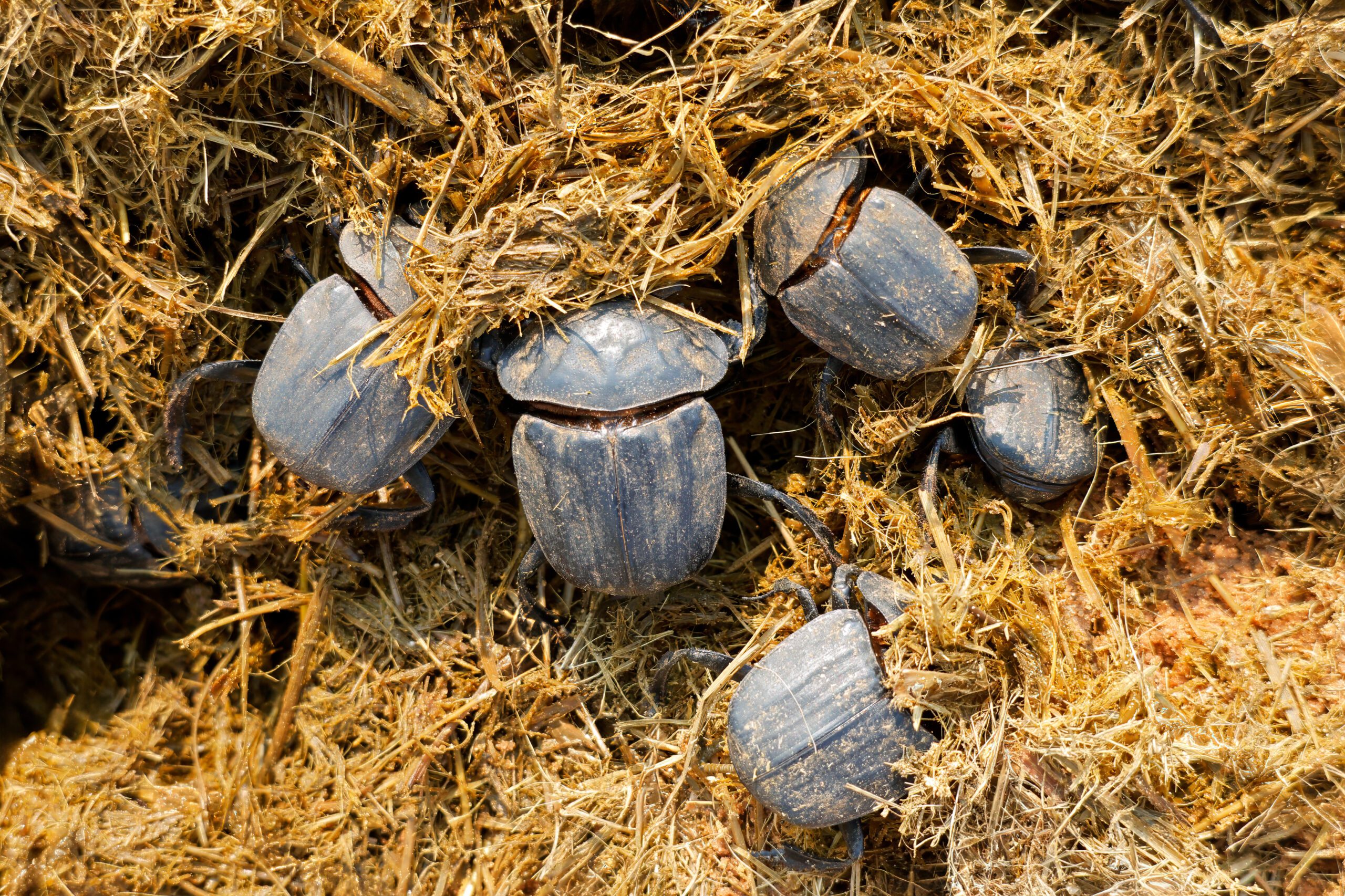
At Kenya’s Mpala Research Centre, scientists conducted a remarkable 22-year experiment in which elephants were excluded from some areas while continuing to use others naturally. The results were striking. Areas without elephants contained around 67% fewer dung beetles and 23% fewer species overall. Several species disappeared entirely from elephant-free areas.
Importantly, the species that declined most were often the larger dung beetles that are particularly well adapted to exploiting elephant dung. Elephant dung is produced in enormous quantities, remains moist for longer than many other types of dung, and provides a rich and predictable resource. While other herbivores remained present within the study area, their dung was unable to fully replace the ecological role played by elephants.
In effect, removing elephants removed an entire resource base upon which some species depended.
Co-extinction implications
The implications extend far beyond dung beetles. The study provides rare experimental evidence for what ecologists call co-extinction: the decline or disappearance of one species causing the decline of others that depend upon it. Conservationists have long suspected that this occurs throughout nature, but proving it has been difficult. The Mpala experiment demonstrates that the loss of a large animal can trigger effects that ripple through an ecosystem for decades.
This should perhaps not be surprising. Elephants are among the most influential animals in African ecosystems. Every day, an adult elephant can produce well over 100 kilograms of dung, creating resources for insects, fungi, microbes, and countless other organisms.
The dung beetles themselves are not merely beneficiaries of elephant presence. They perform important ecological functions. By burying and recycling dung, they return nutrients to the soil, improve water infiltration, suppress parasites, reduce waste accumulation, and help disperse seeds. The decline of dung beetles therefore has implications beyond the insects themselves. It potentially affects soil health, plant regeneration, and ecosystem productivity.
The architects of African ecosystems
Research has shown that savanna elephants can transport seeds as far as 65 kilometres from their parent trees and may disperse up to 3,200 seeds in a single day. These seeds are deposited inside nutrient-rich dung, giving them a better chance of germinating while helping plants colonise new areas.
As they travel across the landscape, elephants create trails that are later used by buffalo, giraffes, antelope, predators, and smaller mammals. They break branches, push over trees, and open dense vegetation, creating opportunities for grazers and maintaining a mosaic of habitats that supports a greater diversity of wildlife.
In dry periods, elephants may dig into sandy riverbeds in search of water. These excavations can create drinking points used by other wildlife long after the elephants have moved on. Their movements connect ecosystems, while their feeding habits continually reshape the landscape.
For this reason, elephants are often described as ecosystem engineers or keystone species. A keystone species has an impact on its environment far greater than would be expected from its abundance alone. Remove a keystone species, and the effects spread throughout the ecosystem.
The Princeton study demonstrates that some of these changes can occur surprisingly quickly. The disappearance of dung beetles was measurable within the study area, but those insects are only one visible example of a much larger web of ecological relationships.
Tsavo’s elephants support an entire ecosystem
Nowhere is this more relevant than in Tsavo.
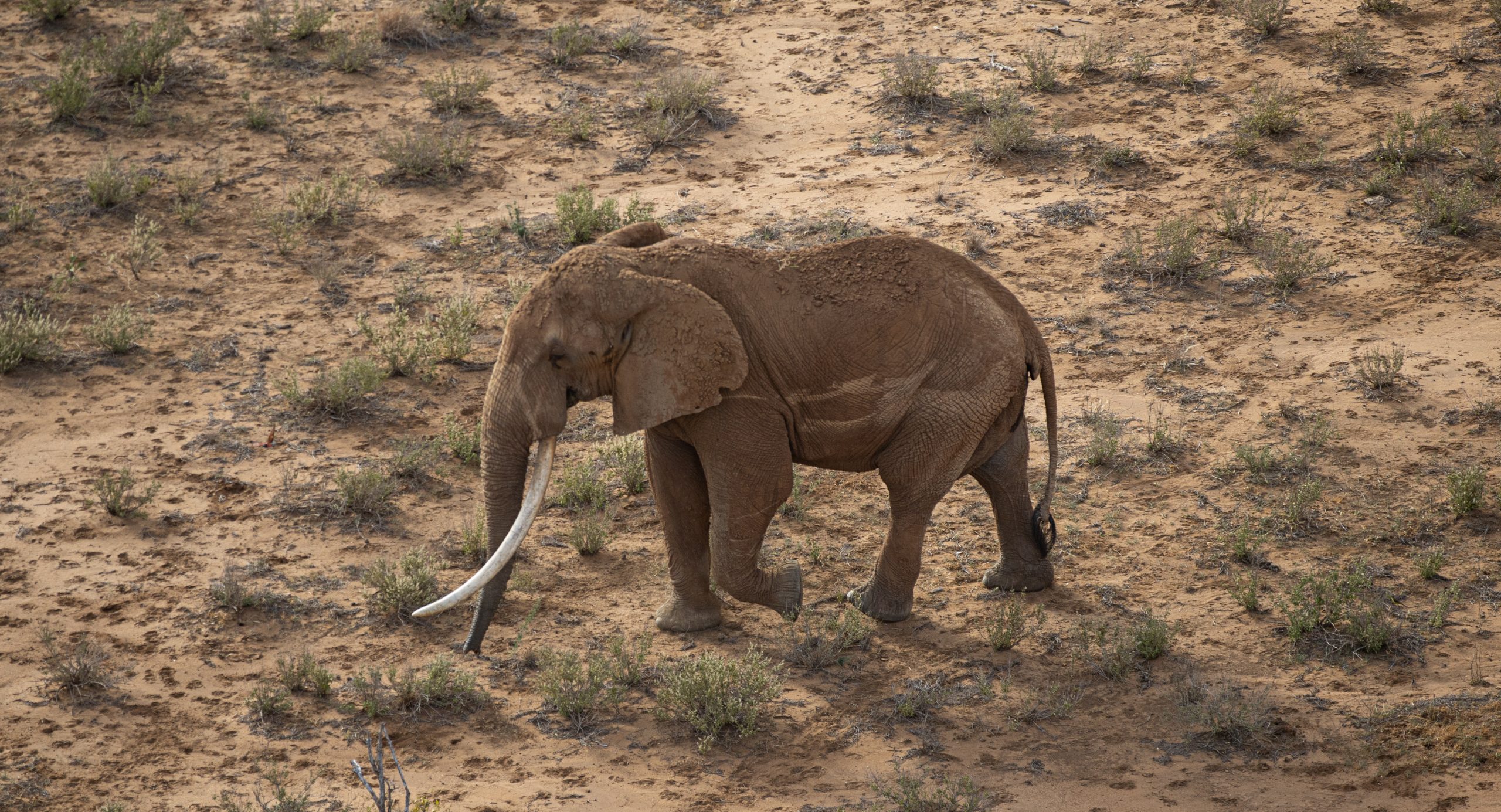
The Tsavo Conservation Area supports one of Africa’s largest elephant populations and remains one of the last strongholds for Super Tuskers. These elephants are often celebrated because of their immense tusks, but their ecological significance may be even more important than their appearance.
Every elephant moving through Tsavo is influencing the landscape. Their dung feeds insects and enriches soils. Their movements disperse seeds across vast distances. Their feeding behaviour shapes vegetation communities. Their trails become pathways used by other animals. Their search for water can create opportunities for wildlife during the dry season.
The largest bulls may have especially far-reaching impacts. Mature elephants travel enormous distances during their lives, connecting habitats and transporting nutrients and seeds across entire ecosystems.
When viewed from this perspective, an elephant is not simply an individual animal. It is a moving ecological force that influences hundreds of other species throughout its lifetime.
The hidden connections of nature
The Princeton study highlights an important reality about conservation: ecosystems are built upon connections.
A dung beetle may depend on elephant dung. A tree may depend on elephants to disperse its seeds. Other animals may depend on elephant-created trails or water access points. Remove one piece of the system, and the effects can spread in unexpected ways.
These relationships are often difficult to see. Most visitors to Tsavo notice elephants, lions, giraffes, and other large animals. Few notice the beetles recycling nutrients beneath a pile of dung, the seeds germinating after passing through an elephant’s digestive system, or the countless organisms benefiting from resources elephants leave behind.
Yet these hidden interactions help keep ecosystems functioning.
The study serves as a reminder that biodiversity is not simply a collection of species. It is a network of relationships.
Learn more about how you can support the protection of Tsavo’s elephants.