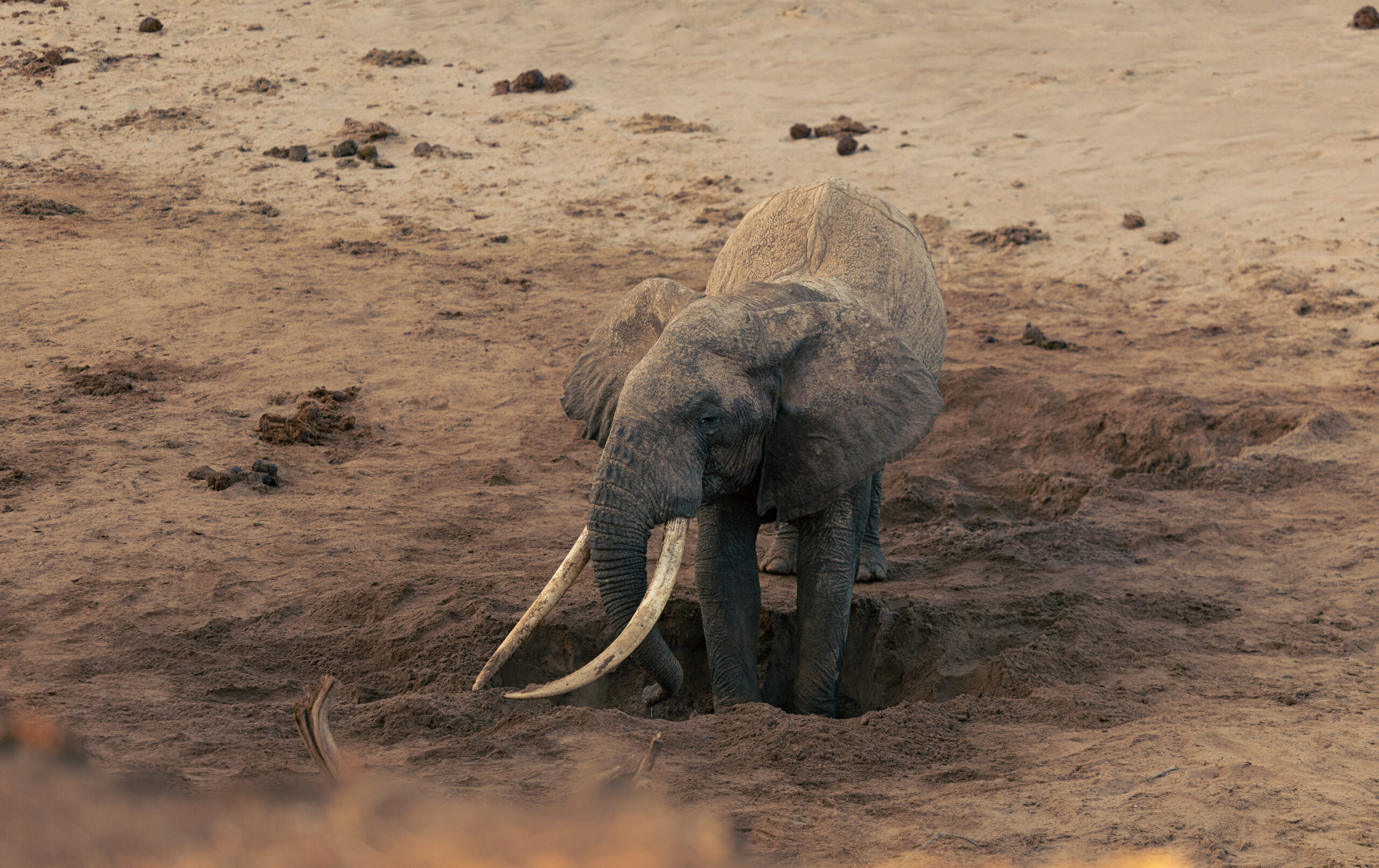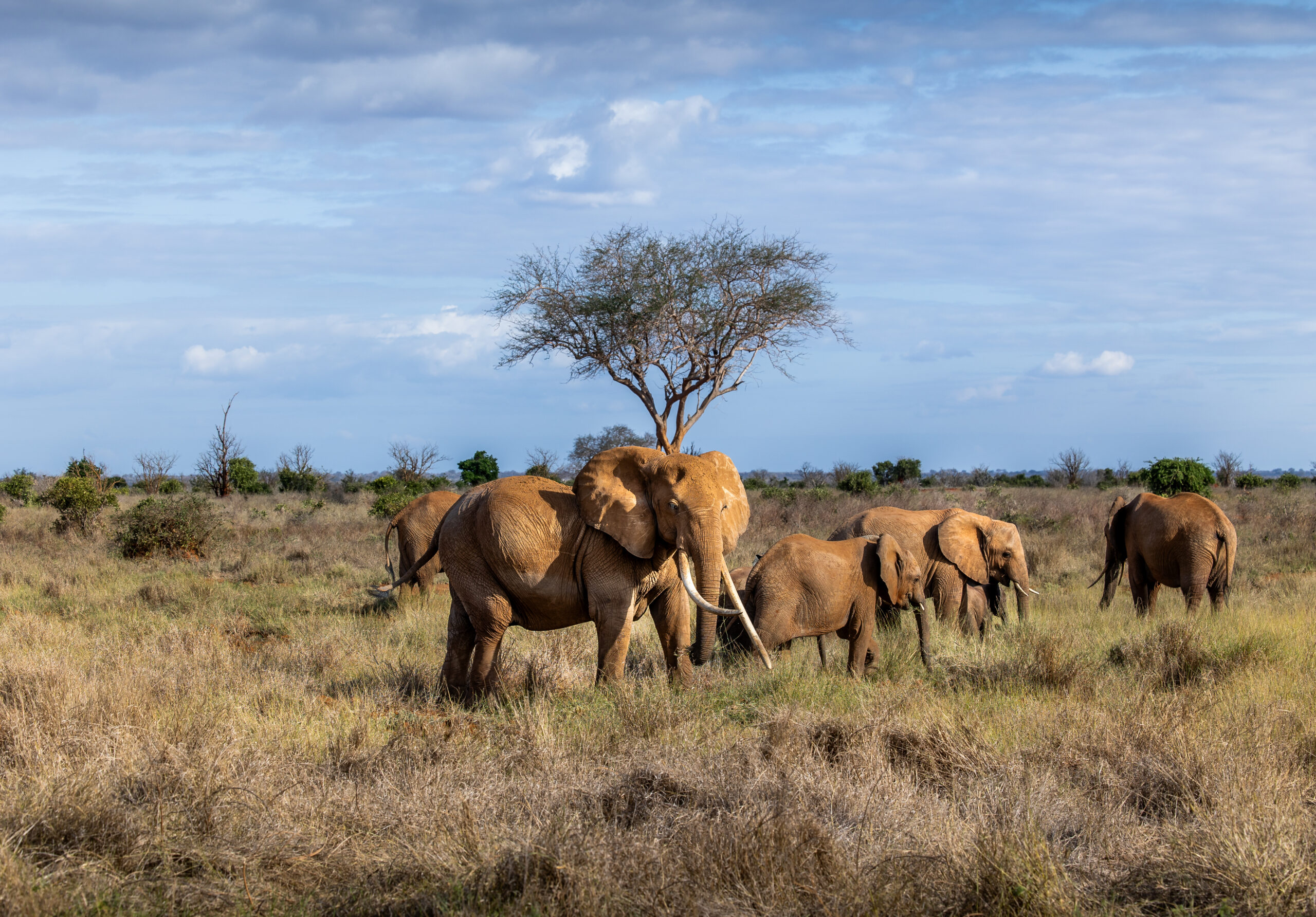
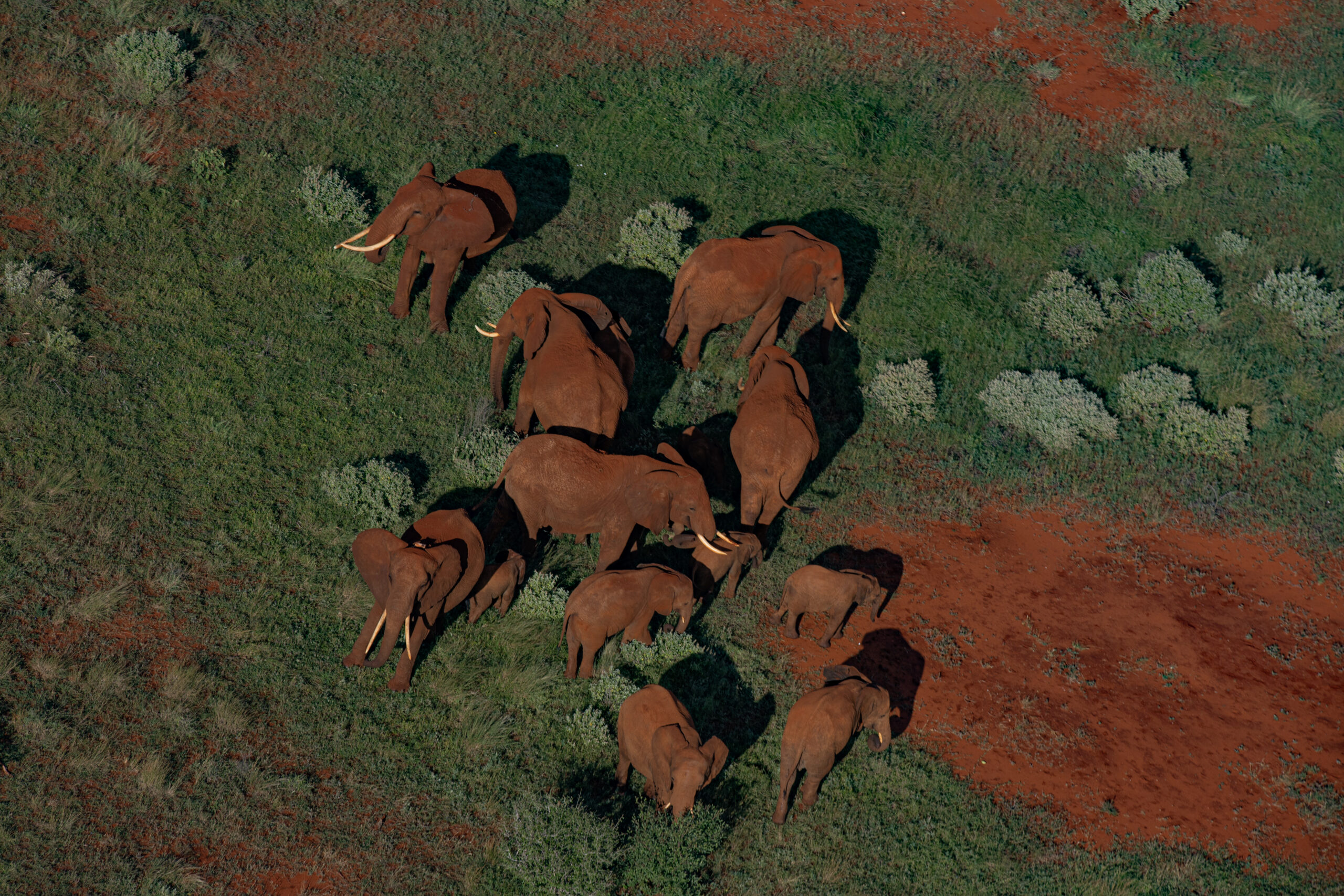
Elephants are widely recognised as ecosystem engineers. Through their feeding, movement and seed dispersal, they influence vegetation structure, nutrient cycling and the habitats used by numerous other species.
In recent years, scientists have begun investigating whether these ecological effects might also help mitigate climate change. Some research suggests that elephants can influence the amount of carbon stored in forests, grasslands and soils, raising the possibility that protecting and restoring elephant populations could contribute to reducing atmospheric carbon dioxide.
However, the relationship between elephants and carbon storage is considerably more complicated than it initially appears.
The researchers found that although elephants and other large animals influence the carbon cycle, their effects vary substantially between species, ecosystems and environmental conditions. In some circumstances, their activities may increase carbon storage. In others, they may reduce it.
The findings highlight an important distinction between protecting biodiversity and demonstrating measurable climate-change mitigation.
Why Did Scientists Begin Linking Elephants to Climate Change?
Climate-change mitigation has traditionally focused on reducing greenhouse-gas emissions and increasing the amount of carbon stored in forests, vegetation and soils.
Plants absorb atmospheric carbon dioxide through photosynthesis, incorporating carbon into their tissues. Some of this carbon is subsequently transferred into soils, where it may remain for decades or considerably longer.
However, ecosystems are not shaped by plants alone. Animals influence vegetation through grazing, browsing, seed dispersal, nutrient redistribution and physical disturbance.
Elephants are particularly influential because their size, feeding requirements and movements allow them to modify extensive areas.
An adult African elephant can consume well over 100 kilograms of vegetation each day, feeding on grasses, leaves, branches, bark and other plant material. These activities influence which plants grow, how vegetation is distributed and how carbon moves through the ecosystem.
This has led researchers to investigate whether restoring large herbivores could increase carbon storage, an approach sometimes associated with trophic rewilding.
But demonstrating that elephants influence carbon cycling is not the same as proving that their presence increases net carbon storage.
How Do Elephants Influence Carbon Storage?
Elephants affect the carbon cycle through several interconnected processes.
One of the most visible is their influence on woody vegetation. Elephants browse on trees and shrubs, break branches, strip bark and occasionally uproot entire trees. These activities can reduce living woody biomass and the carbon stored above ground.
However, reducing tree cover also changes the conditions experienced by other plants. Additional sunlight may encourage grass growth, potentially influencing root production, soil organic matter and below-ground carbon storage.
Elephants also disperse seeds through their dung, sometimes transporting them considerable distances. This can influence vegetation regeneration and the distribution of tree species.
Their dung redistributes nutrients and organic matter, while changes in vegetation structure can influence fire behaviour and the amount of carbon released during burning.
These processes do not necessarily operate in the same direction. Elephants may increase carbon storage through some ecological mechanisms while reducing it through others.
Determining their overall effect requires measuring the entire ecosystem, rather than focusing on individual trees or animals.
Why Forest Elephants and Savanna Elephants Have Different Effects
African forest elephants (Loxodonta cyclotis) and African savanna elephants (Loxodonta africana) occupy very different environments.
In tropical forests, large trees represent an important carbon store. Forest elephants influence forest composition by feeding on vegetation, trampling smaller plants and dispersing seeds.
Research suggests that selective feeding by forest elephants may reduce competition among smaller trees and favour the growth of larger, high-wood-density species under certain conditions.
Because dense wood contains substantial carbon, these changes could increase the amount stored in living trees over time.
In savannas, the relationship is different.
Savanna elephants frequently damage or remove woody vegetation, helping maintain open habitats and influencing the balance between grassland and woodland.
Removing trees can reduce above-ground carbon storage. However, grasslands can store substantial quantities of carbon below ground through their roots and accumulated soil organic matter.
A reduction in tree cover therefore does not necessarily produce an equivalent reduction in total ecosystem carbon. Equally, it does not automatically mean that carbon storage increases.
Researchers must consider woody vegetation, grasses, roots, soils, decomposition and fire to establish the net effect.
This distinction is particularly important for Tsavo, where findings from tropical forest ecosystems cannot automatically be applied to dry savanna landscapes.
What Does the New Research Tell Us?
The review, Large Animal Restoration and Carbon Storage Across Climate-Relevant Timescales, published by Abraham and colleagues in October 2026, examined evidence concerning elephants and great whales, two groups frequently associated with carbon storage and nature-based climate solutions.
The researchers identified three important limitations.
First, carbon effects vary between ecosystems. An elephant’s influence depends on the vegetation it consumes, the habitat it occupies, animal densities and environmental conditions.
Second, the effects are not always positive. Large animals may increase carbon storage through certain ecological processes while simultaneously reducing it through others.
Third, meaningful carbon benefits may take decades to emerge. Restoring depleted elephant populations is a slow process, while changes in vegetation structure and soil carbon can develop over even longer periods.
Researchers have highlighted timescales of 50 to 100 years, or longer, for some of the ecological changes associated with large-animal restoration.This presents a challenge for climate policy. Carbon dioxide released through fossil-fuel combustion contributes to atmospheric warming immediately, while potential carbon gains from wildlife restoration may be uncertain and delayed.
The review therefore cautions against presenting wildlife restoration as a dependable short-term alternative to reducing greenhouse-gas emissions.
Its conclusion is not that elephants cannot provide climate benefits, but that those benefits are difficult to quantify reliably.
Has Our Understanding of Elephants and Carbon Changed?
Previous research has highlighted the potential for elephants to contribute to climate-change mitigation by influencing vegetation structure and maintaining savanna grasslands.
The new review does not necessarily contradict these ecological mechanisms.
Grasslands can store substantial carbon below ground, and elephants can influence the balance between grassland and woodland.
However, identifying a potentially beneficial mechanism is not sufficient to establish a net increase in ecosystem carbon storage.
If elephant browsing reduces woody biomass while encouraging grass growth, the carbon gained through increased grass production and soil storage must be compared with the carbon lost from trees.
Other processes, including decomposition, fire and vegetation recovery, must also be considered.
The new research therefore represents a more cautious interpretation of a developing field of conservation science, emphasising the need to measure the combined effects of elephants rather than assuming that particular ecological activities necessarily increase carbon storage.
Can Elephant Conservation Be Funded Through Carbon Markets?
The possibility that wildlife conservation could contribute to climate-change mitigation has attracted growing interest in nature-based carbon finance.
If restoring elephants increases carbon storage, it might be possible to quantify those benefits and use them to support conservation funding through carbon credits.
However, carbon markets require evidence that a project produces genuine, measurable and lasting climate benefits.
One important requirement is additionality: demonstrating that the carbon benefit would not have occurred without the conservation intervention.
For elephant restoration, researchers would need to establish how much carbon would have been stored without elephants, how their restoration changes that amount and whether the resulting benefits persist.
They would also need to account for natural environmental variation and the possibility that carbon gains in one part of an ecosystem are offset by losses elsewhere.
The new review cautions that assigning financial values to uncertain wildlife-carbon benefits carries significant risks.
There is also a danger that conservation management becomes focused on maximising carbon storage rather than maintaining biodiversity. Increasing tree cover, for example, may increase above-ground carbon in some circumstances but is not necessarily an appropriate objective for naturally open savannas.
A conservation project can provide substantial ecological benefits without necessarily qualifying as a reliable carbon-offset project.
Why Protecting Elephants Remains Essential
The uncertainties surrounding elephants and carbon storage do not weaken the ecological case for their conservation.
Elephants are among Africa’s most influential large herbivores. Their feeding and movement affect vegetation structure, seed dispersal, nutrient distribution and habitat availability for numerous other species.
They also maintain complex social relationships and undertake movements that connect different parts of large ecosystems.
In landscapes such as Tsavo, protecting elephants contributes to maintaining these ecological processes and the biodiversity associated with them.
Their importance cannot be adequately represented by a single measurement of carbon storage.
The new research also highlights the difference between protecting existing animal populations and restoring populations that have already been lost. Wildlife declines can occur rapidly, while population recovery and the ecological processes associated with it may take decades.
Maintaining existing populations is therefore a conservation priority, regardless of whether their carbon benefits can currently be quantified.
A More Complete Understanding of Elephant Conservation
The relationship between elephants and climate change illustrates an important principle in conservation science: ecological processes are complex, and interventions rarely produce only one outcome.
Elephants influence carbon cycling through numerous pathways, some of which may increase carbon storage while others reduce it.
The latest research suggests that restoring large animal populations may contribute to long-term climate recovery under suitable conditions, but the evidence remains insufficient to treat wildlife restoration as a dependable short-term climate mitigation strategy.
For Tsavo, elephants shape the structure and functioning of its savanna ecosystems, but their conservation value extends far beyond any potential contribution to carbon storage.
Protecting elephants remains essential because of their role in maintaining biodiversity and functioning landscapes. Any demonstrable climate benefits should be recognised as an additional contribution, rather than the foundation of the case for their protection.
Scientific References
- Abraham, A. J., et al. (2026). Large animal restoration and carbon storage across climate-relevant timescales. Current Biology. https://doi.org/10.1016/j.cub.2026.09.016
- Schmitz, O. J., et al. (2023). Trophic rewilding can expand natural climate solutions. Nature Climate Change, 13, 324–333. https://doi.org/10.1038/s41558-023-01631-6
- Roberts, N. J., et al. (2026). Wildlife and Climate Scientific Consensus on the Roles of Wild Animals in the Global Carbon Cycle and Natural Climate Solutions. Global Change Biology. https://doi.org/10.1111/gcb.71115
- Tsavo Trust. Four Ways the African Elephant Improves Life for Human Beings. https://tsavotrust.org/four-ways-the-african-elephant-improves-life-for-human-beings/